


 Riders Preferred Membership
 Shop by Vehicle
 Track Order
 Contact Us
Chain Tool For Bikes
Filters


On this page...
- What is a chain tool for bikes used for?
- How do you choose the right chain tool for your bike?
- Can a chain tool be used for different types of bike chains?
- What features should I look for in a chain tool?
- Are there chain tools that come with additional accessories?
- Can I use a chain tool for maintenance on all bike types?
- How often should I use a chain tool for bike maintenance?
- What are the benefits of using a chain tool?
- Can a chain tool help with chain alignment?
Frequently Asked Questions For Chain Tool For Bikes
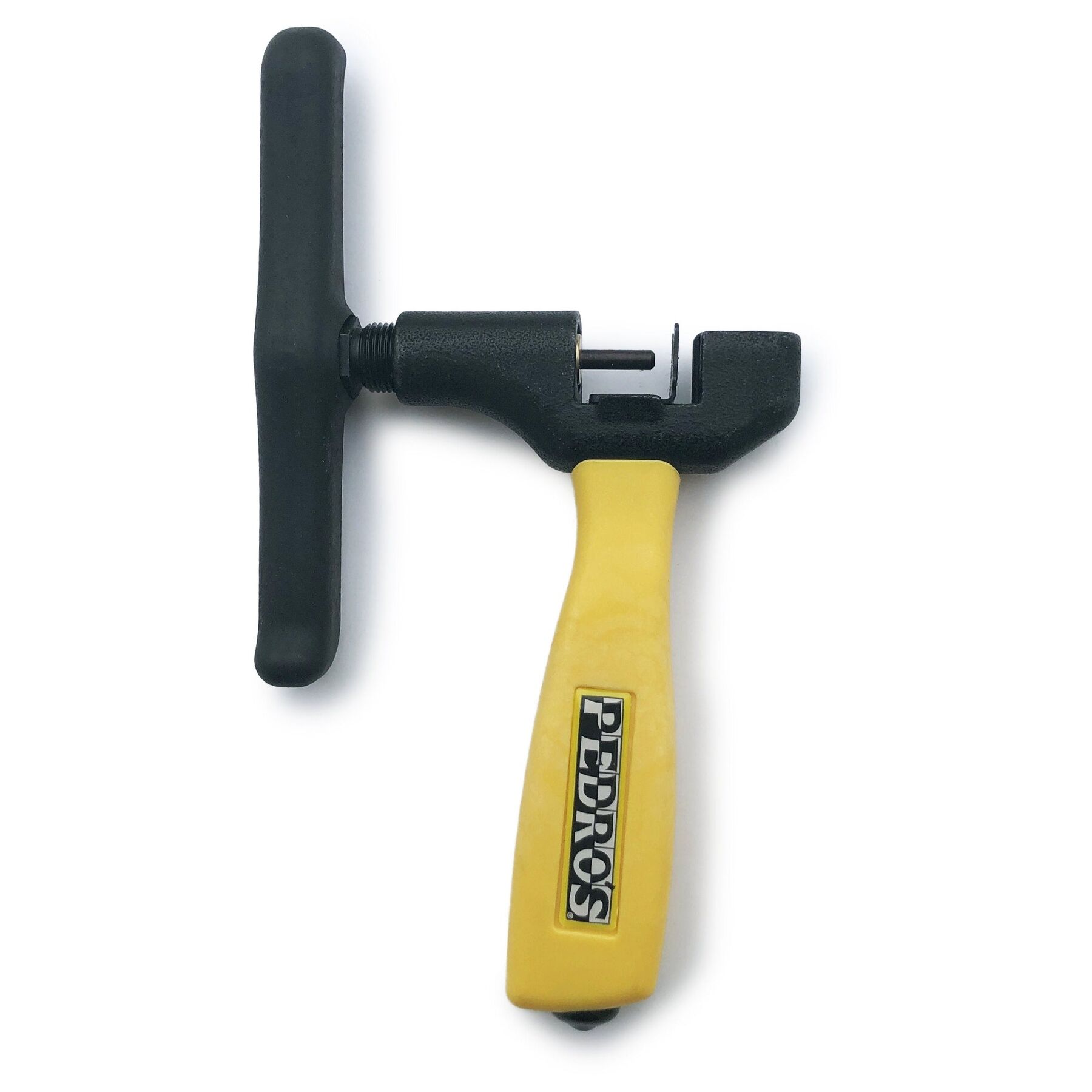
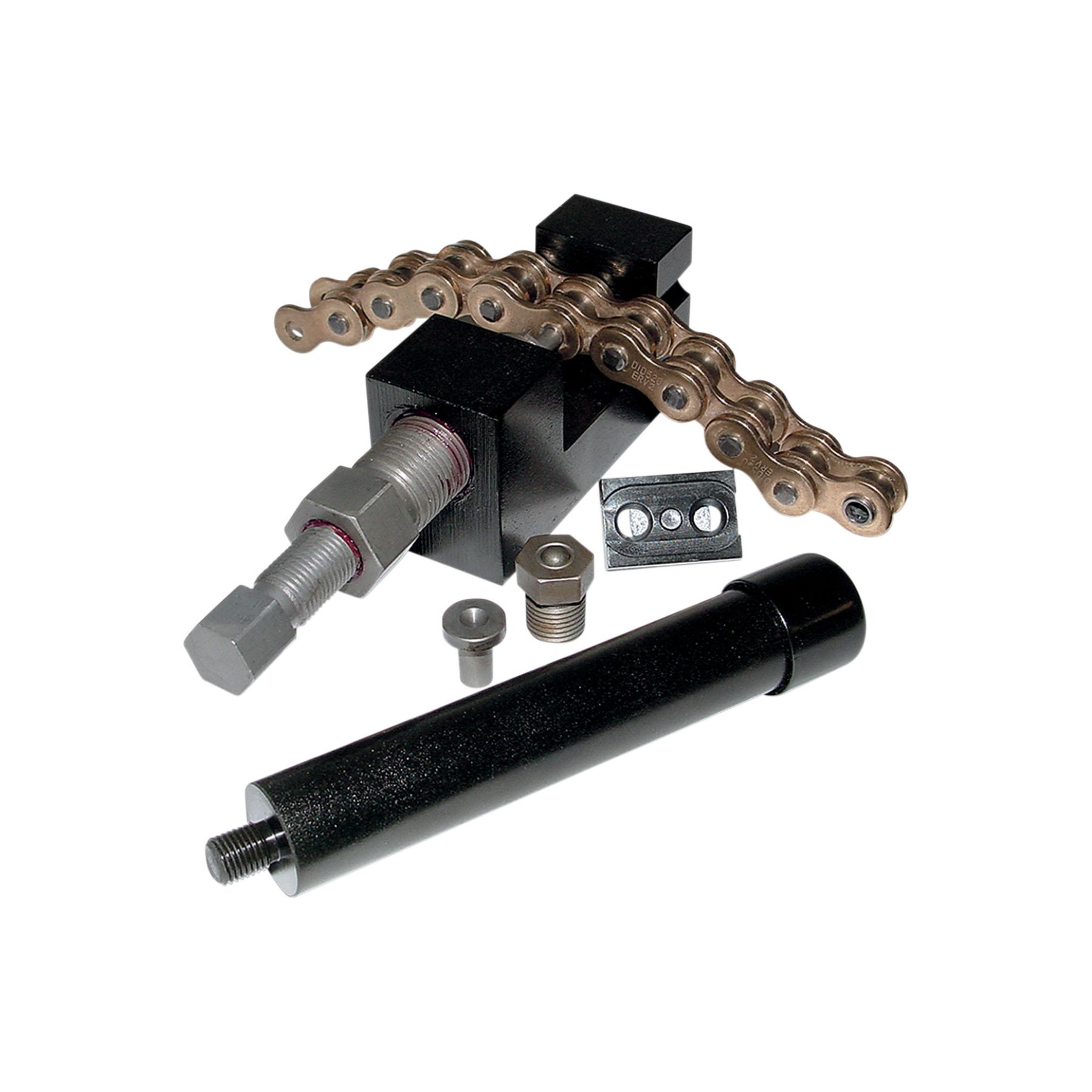
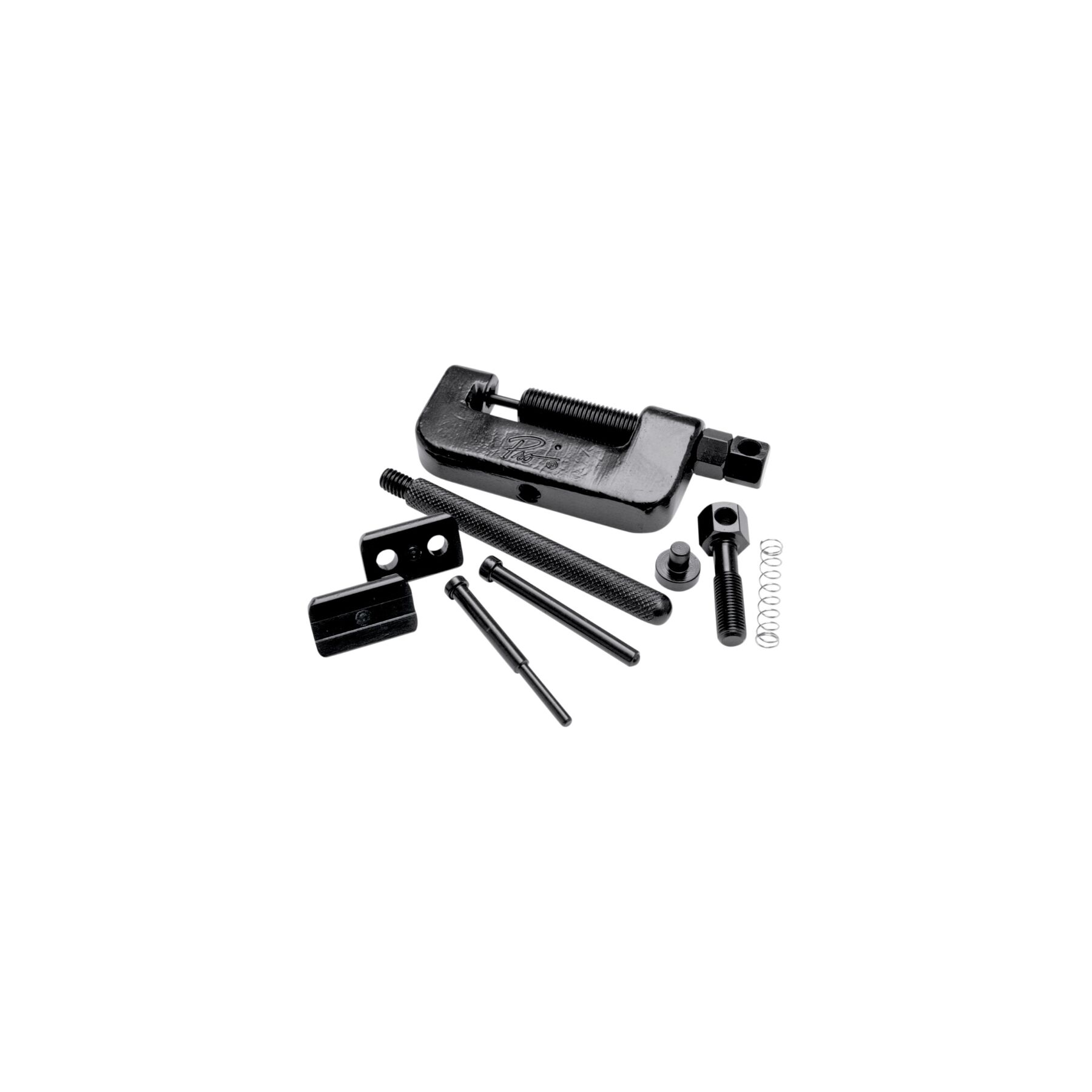
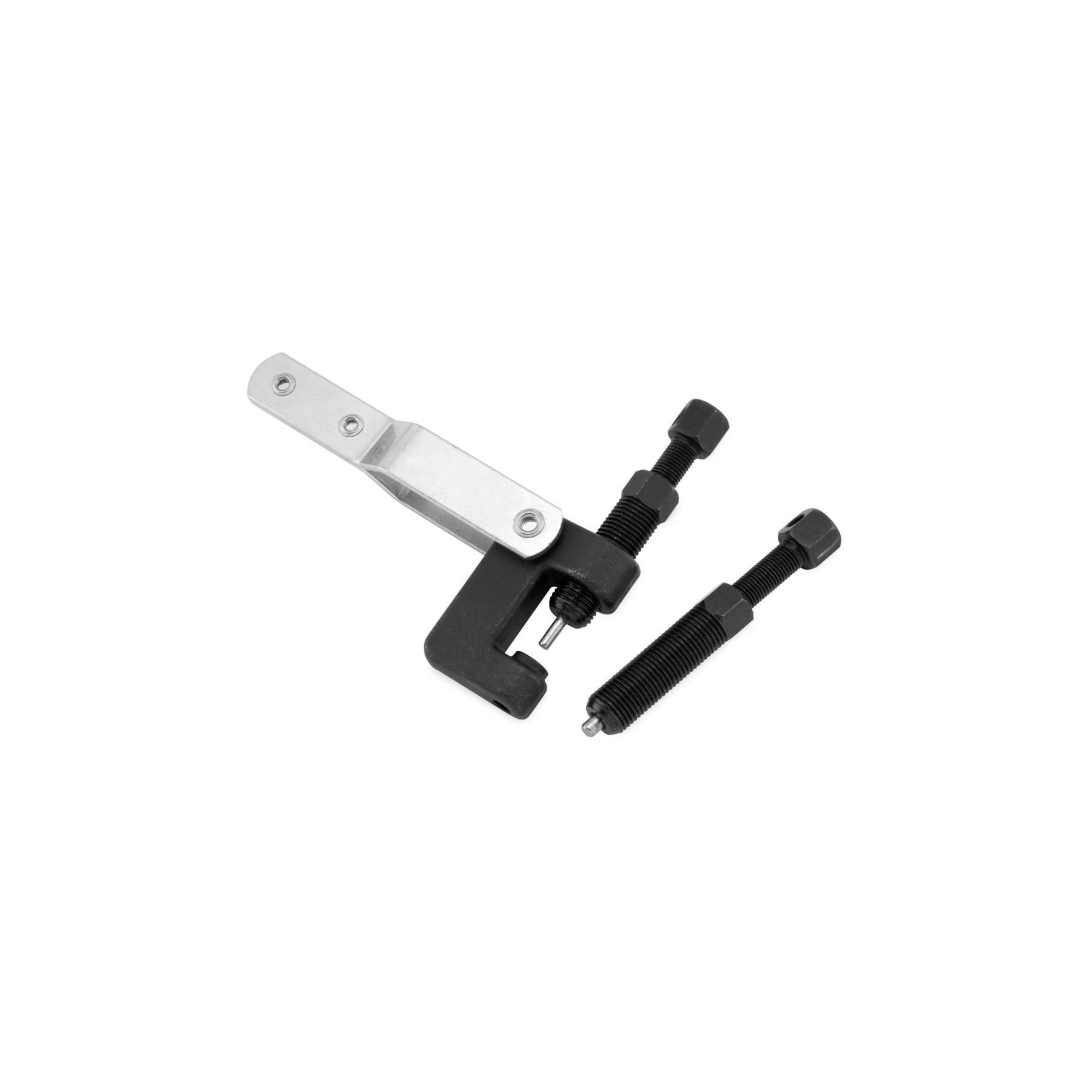
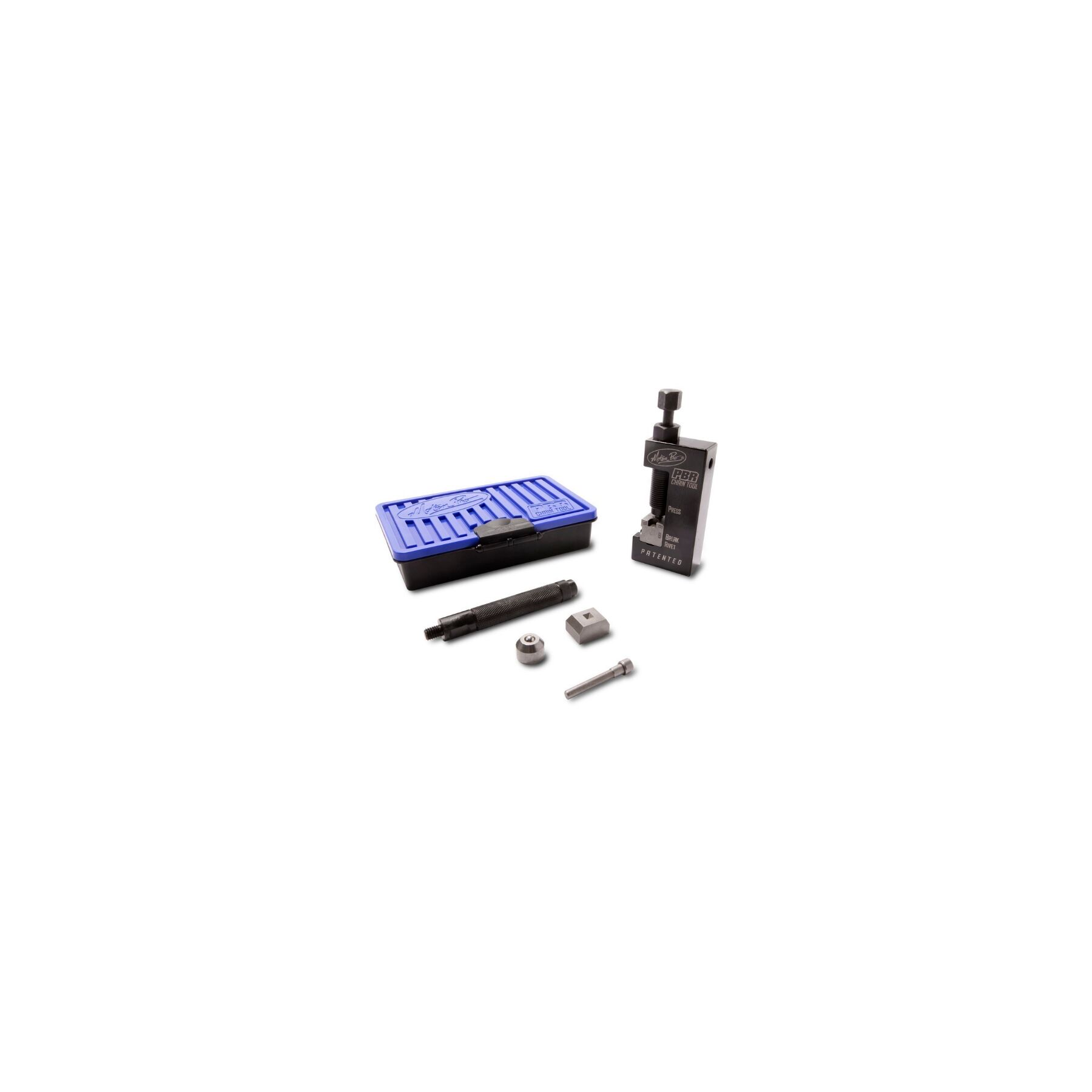
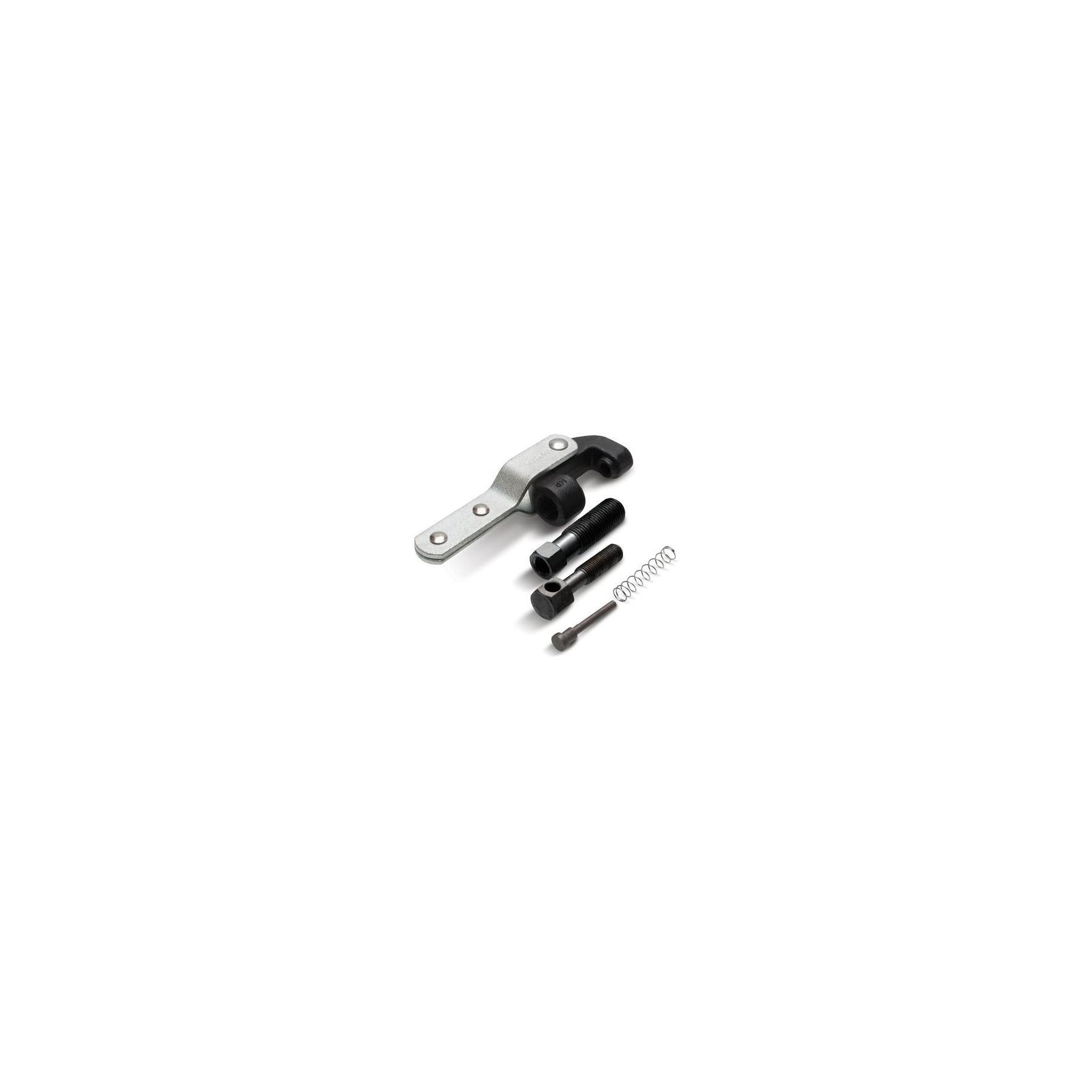
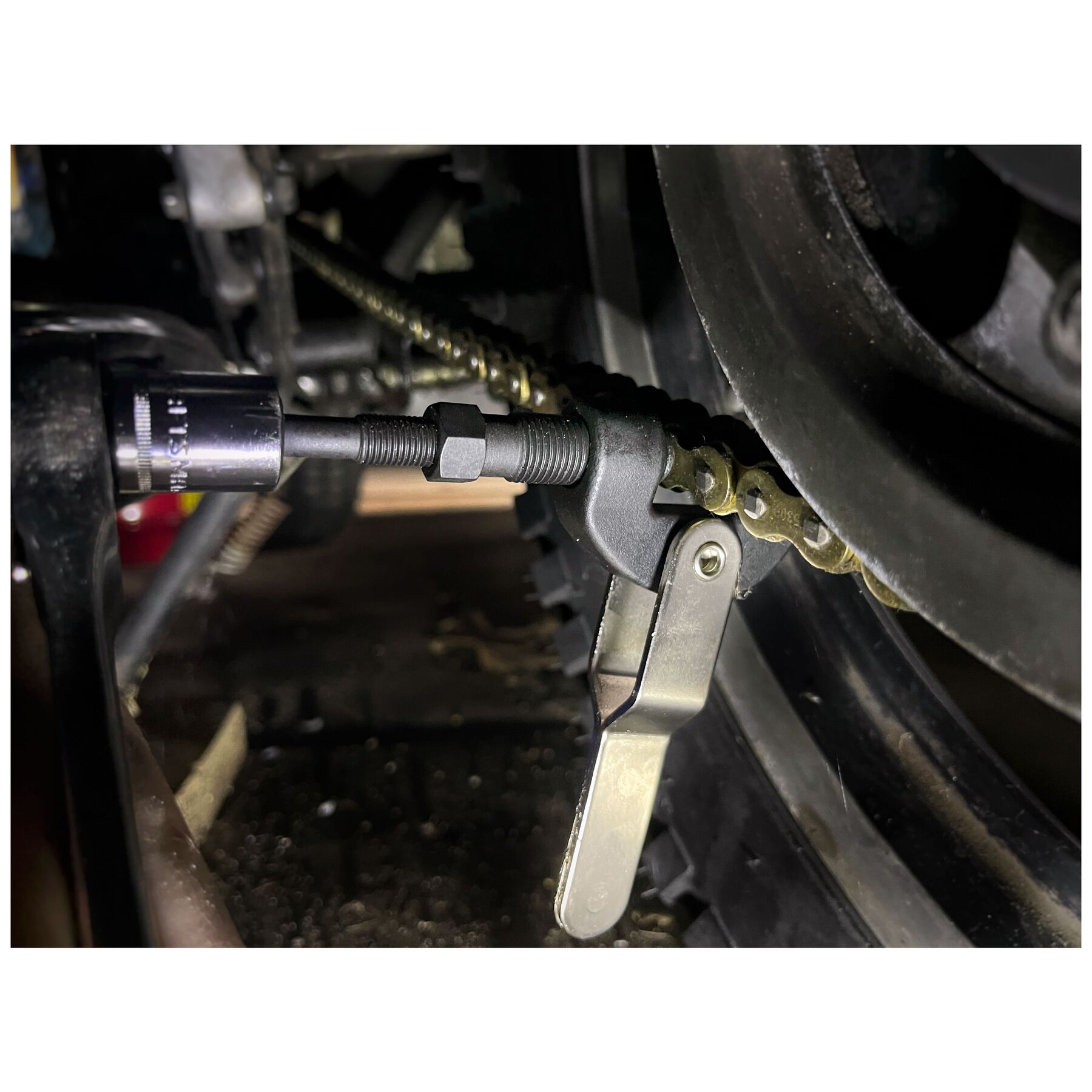
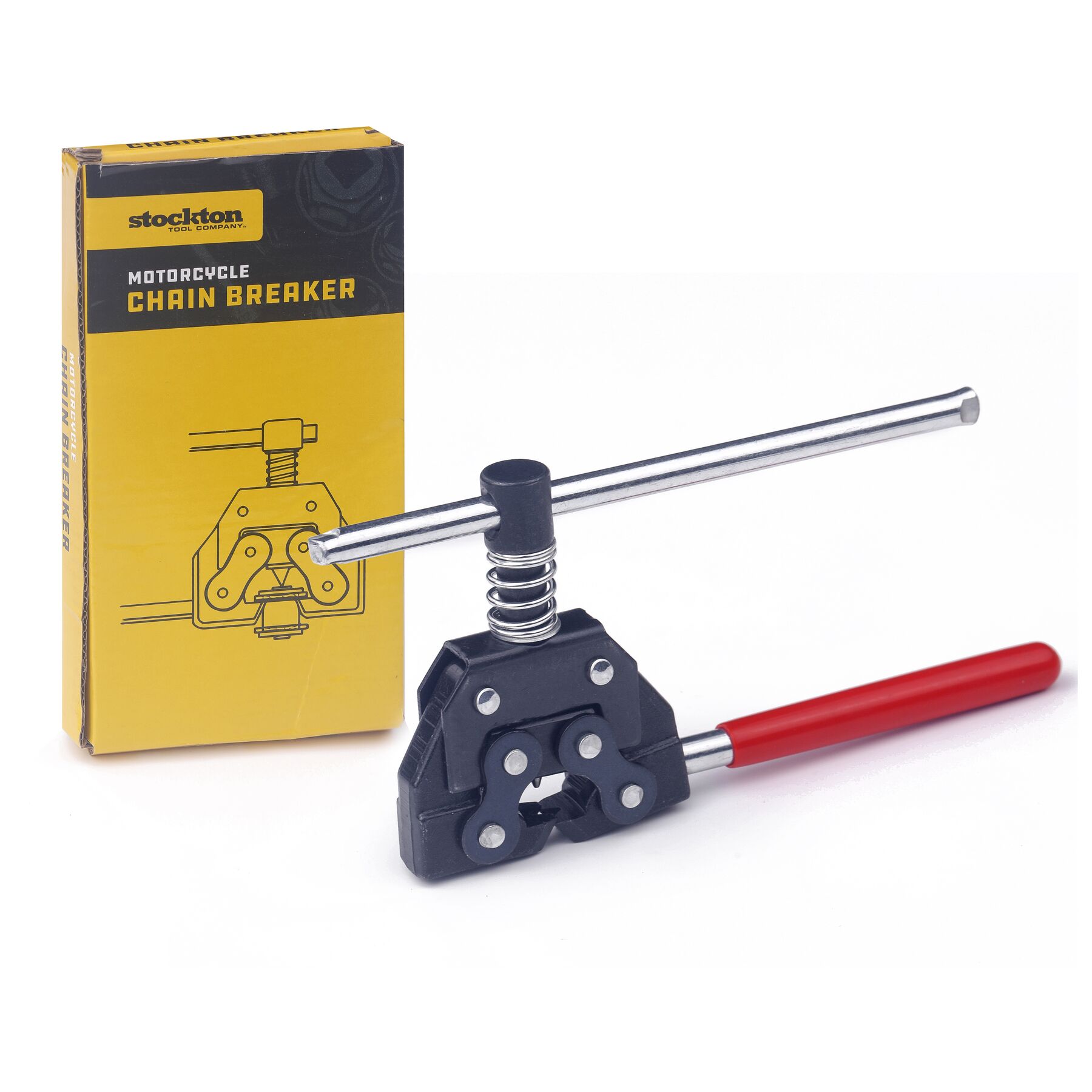
A chain tool for bikes is primarily used for maintaining and repairing bicycle chains. It allows cyclists to break the chain for replacement or cleaning, as well as to rivet new links together. This tool is essential for ensuring the chain functions smoothly and efficiently.
When choosing a chain tool, consider the type of bike you have and the specific chain type it uses. Look for tools that are compatible with your chain's width and design, whether it's a single-speed, multi-speed, or specific to mountain or road bikes. Additionally, consider the tool's durability and ease of use.
Yes, many chain tools are designed to work with various types of bike chains, including those for mountain bikes, road bikes, and hybrid bicycles. However, it’s important to ensure that the tool is compatible with the specific chain width and design you have, as some tools may be limited to certain chain types.
When selecting a chain tool, look for features such as a sturdy construction, ease of use, and compatibility with different chain sizes. Some tools also offer additional functionalities, like chain alignment or the ability to rivet new links, which can enhance their utility for bike maintenance.
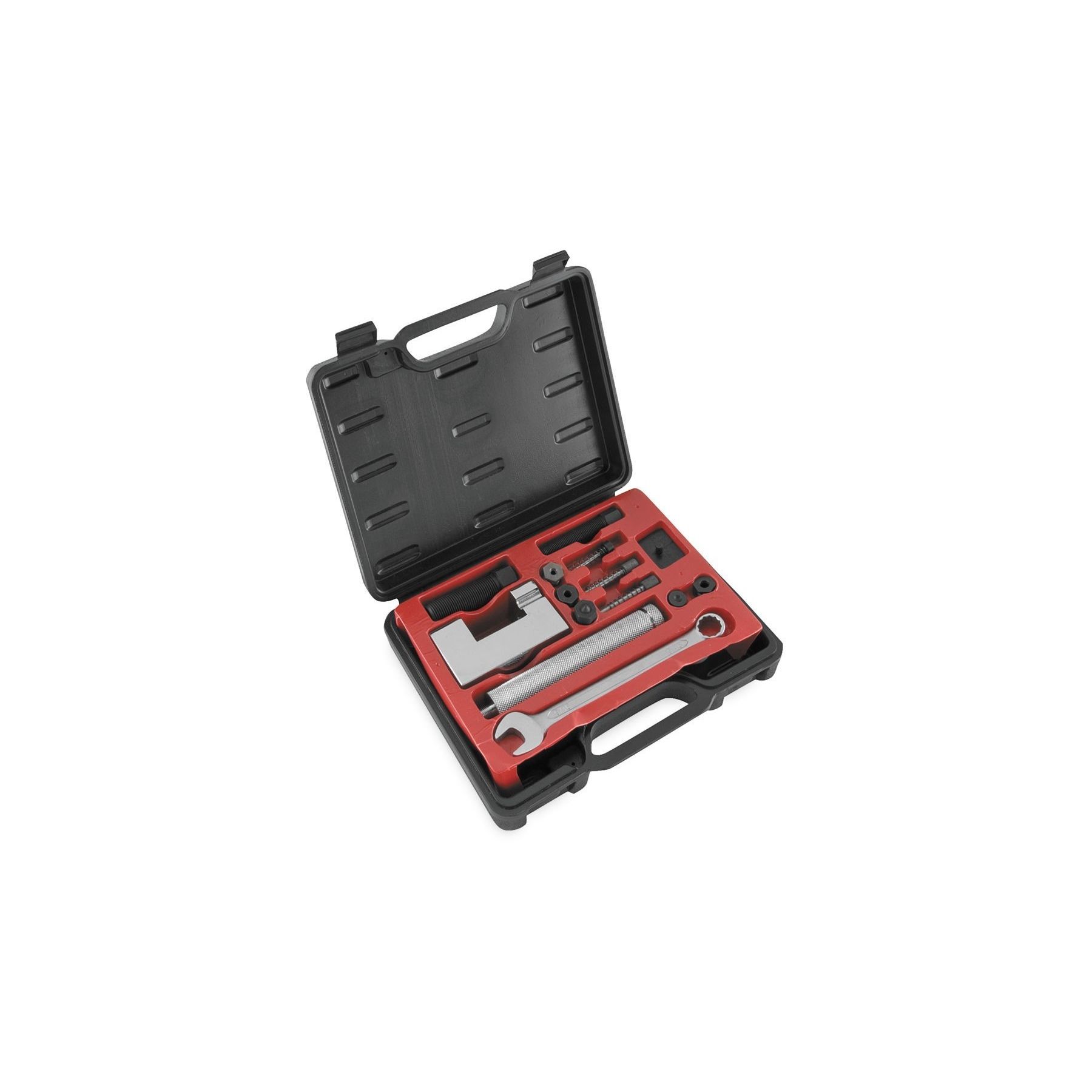
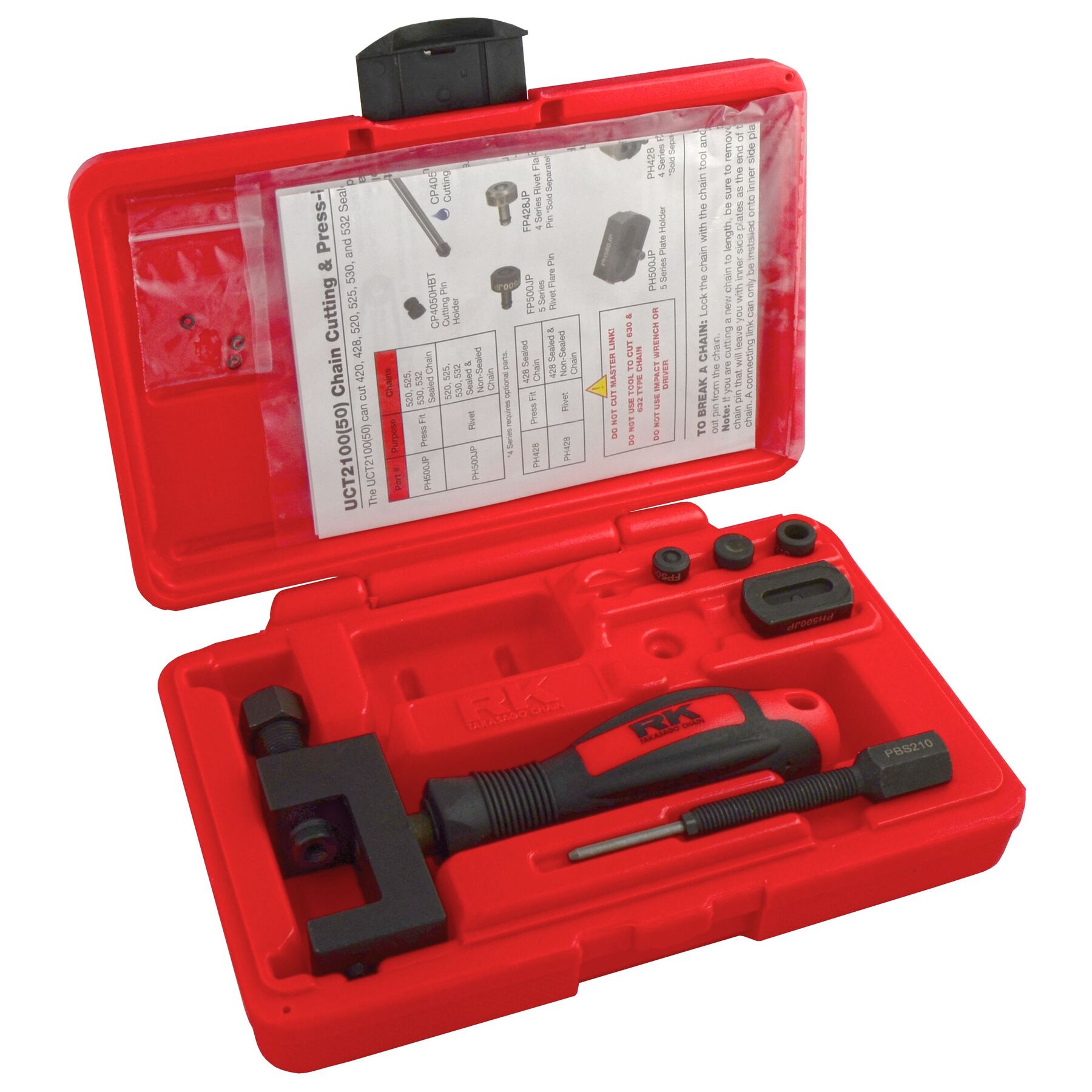
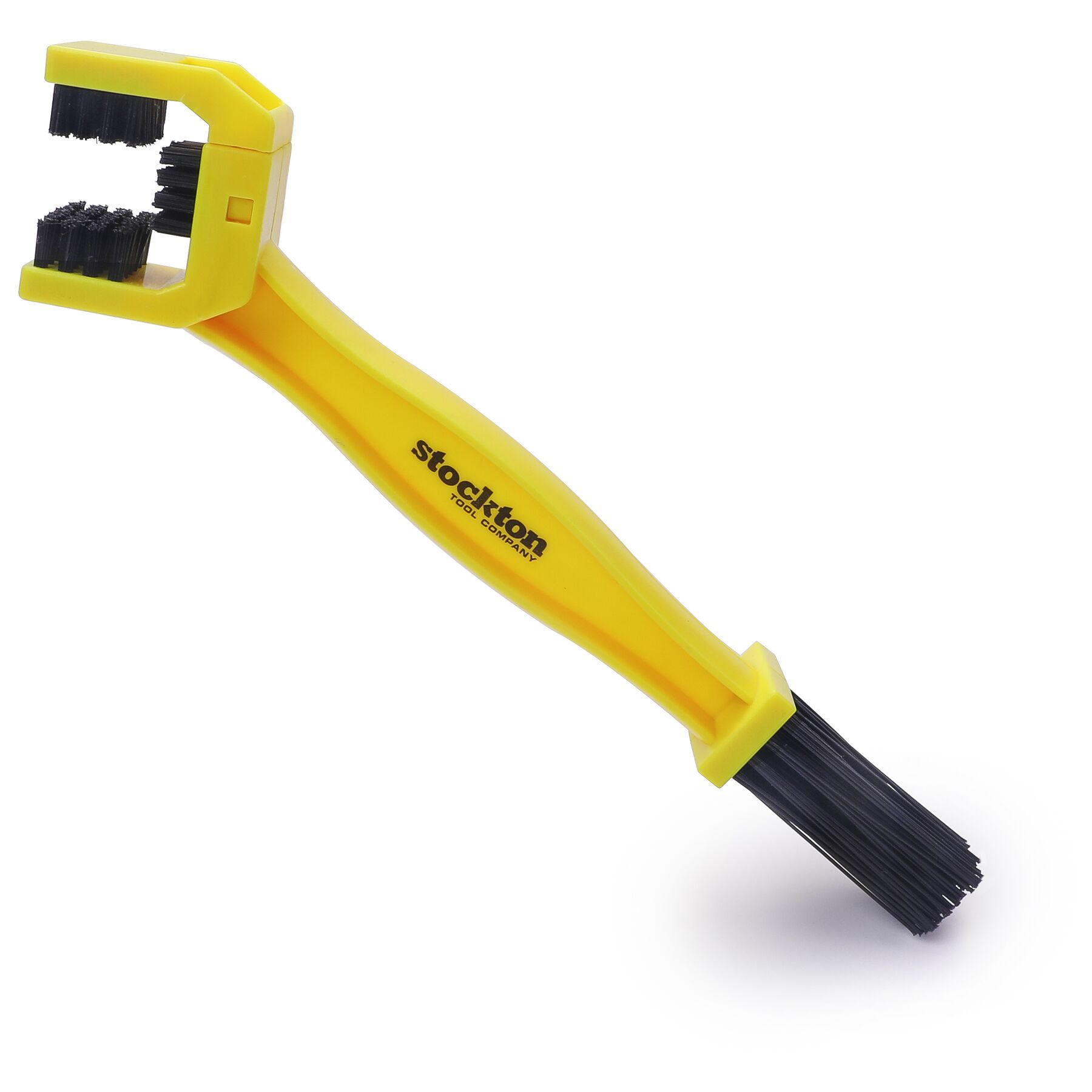
Yes, many chain tools come as part of a kit that includes additional accessories such as brushes for cleaning, spare links, or other maintenance tools. These kits can provide a comprehensive solution for bike chain upkeep, making it easier to perform regular maintenance and repairs.
While many chain tools are versatile and can be used on various bike types, it's important to check the specifications of the tool to ensure compatibility. Some tools may be better suited for specific types of chains, such as those found on mountain bikes or road bikes, so always verify before use.
The frequency of using a chain tool for bike maintenance depends on how often you ride and the conditions in which you ride. Regularly checking and maintaining your chain, especially after long rides or in harsh weather, can help prolong its life and improve overall bike performance.
Using a chain tool allows for more efficient and effective maintenance of your bike's chain, which can enhance performance and extend the life of the chain. It enables you to easily break and reconnect the chain, making repairs simpler and reducing the need for professional assistance. Additionally, it can help ensure that your bike operates smoothly and safely.
Yes, some chain tools are designed with features that assist in chain alignment. Proper alignment is crucial for optimal performance and can help reduce wear on the chain and gears. Using a tool that offers alignment capabilities can make it easier to ensure that your chain is correctly positioned.
Similar Categories
Chain Tool for Bikes
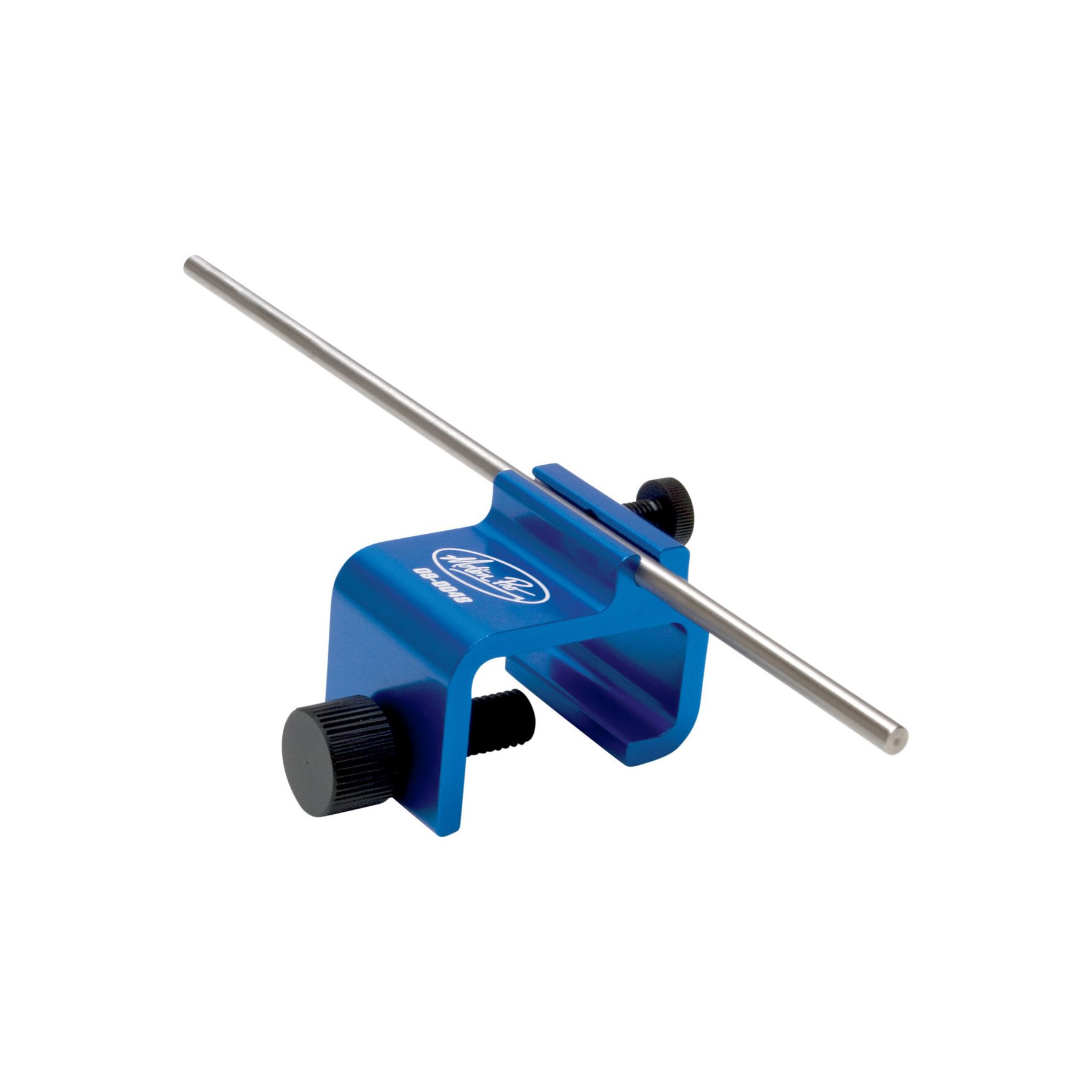
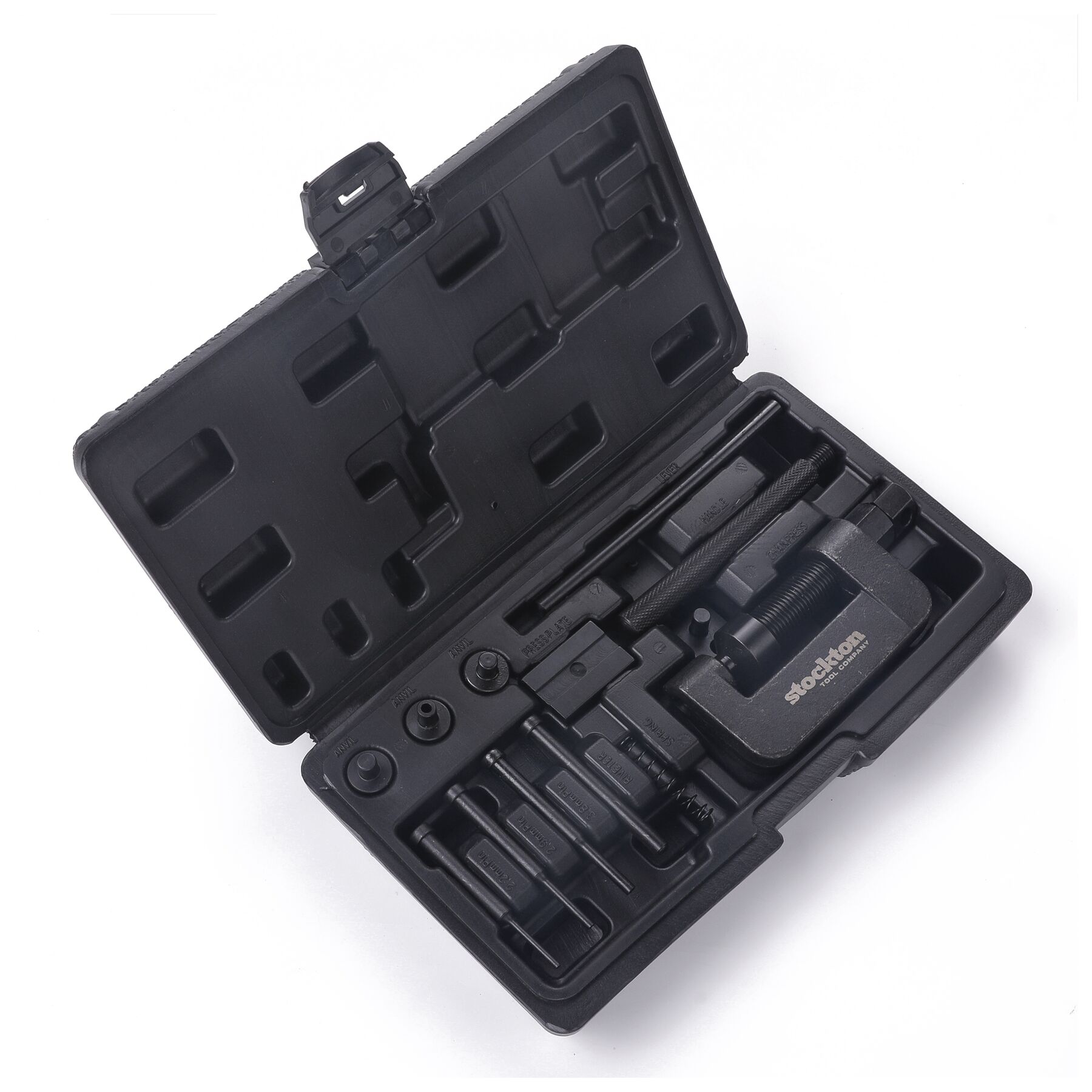
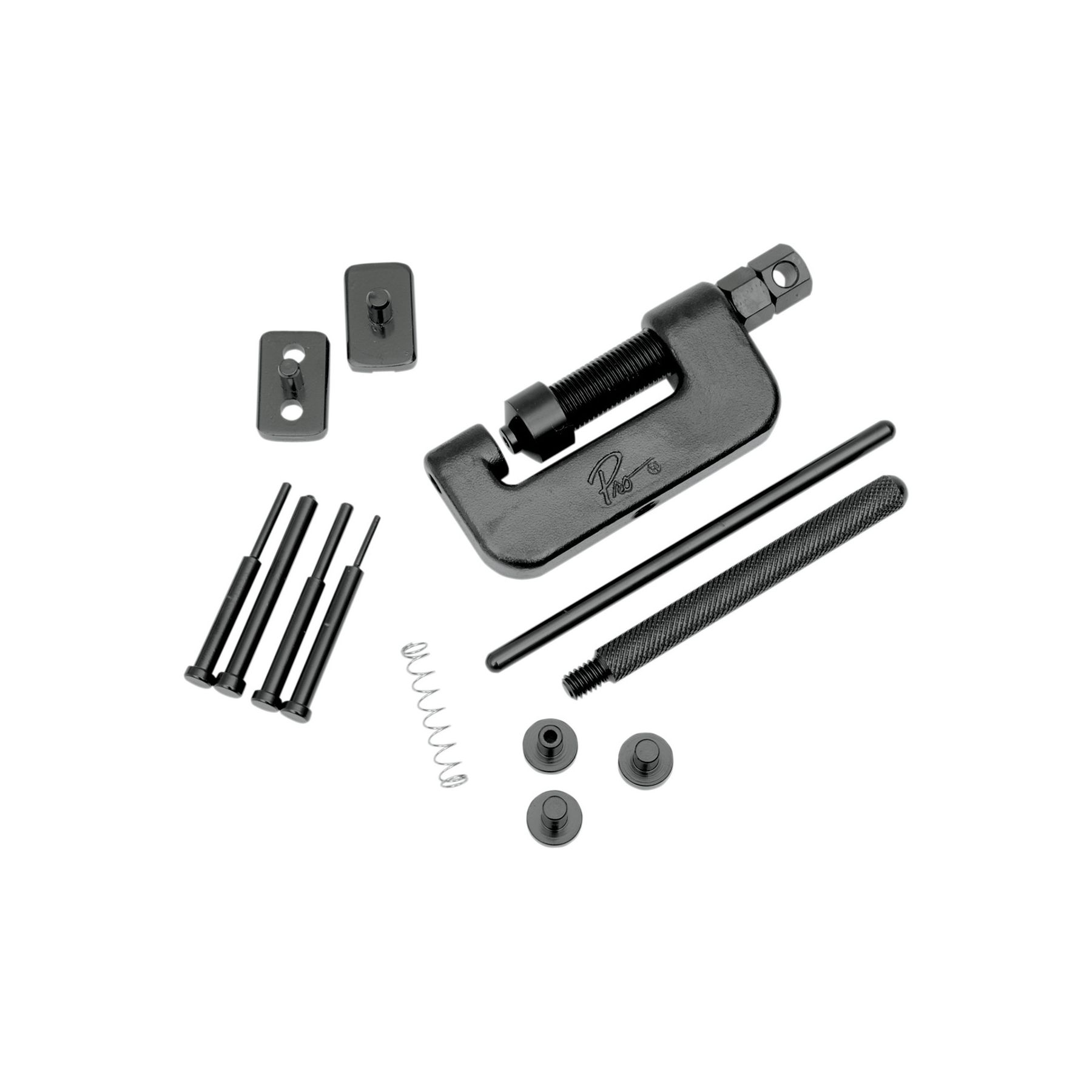
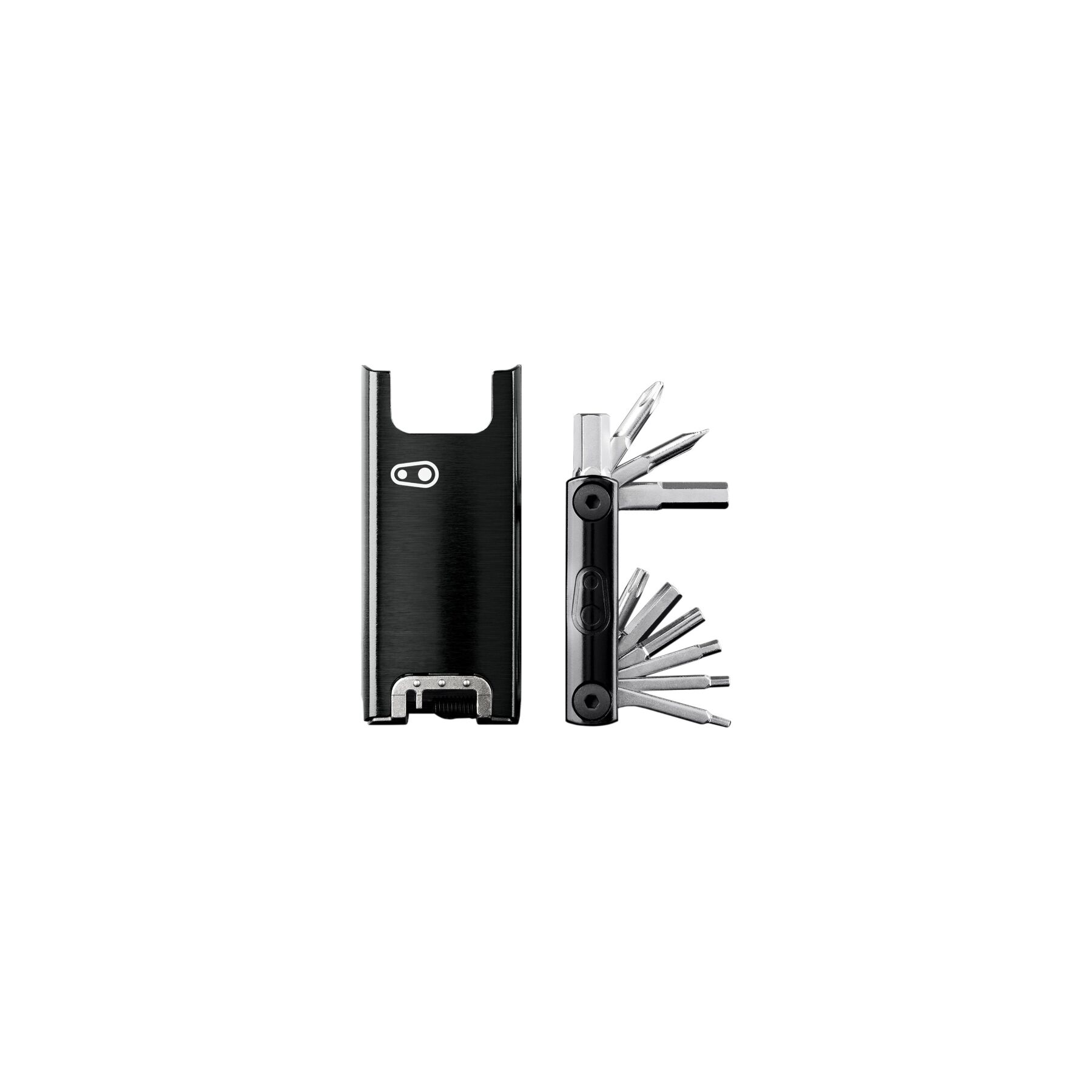
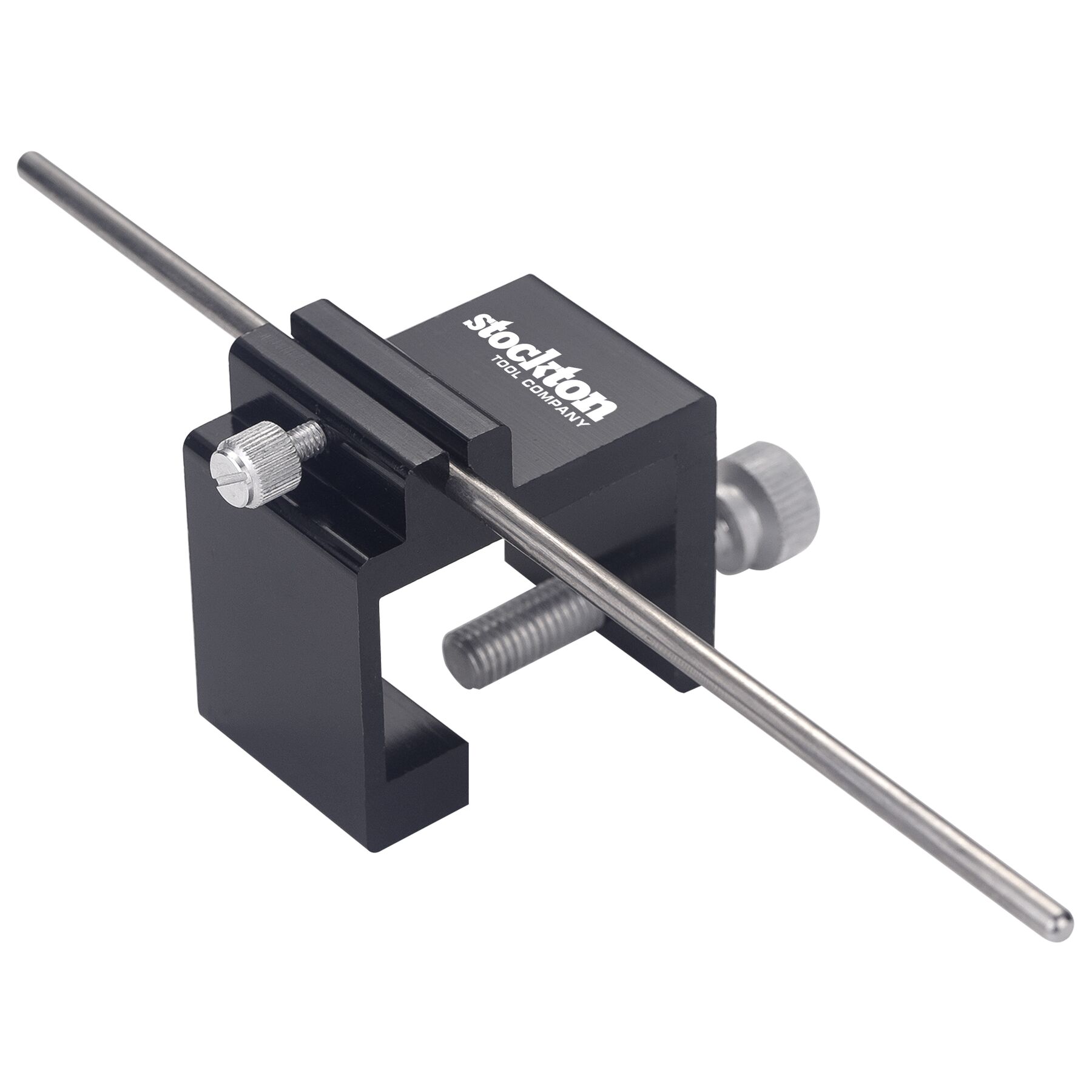
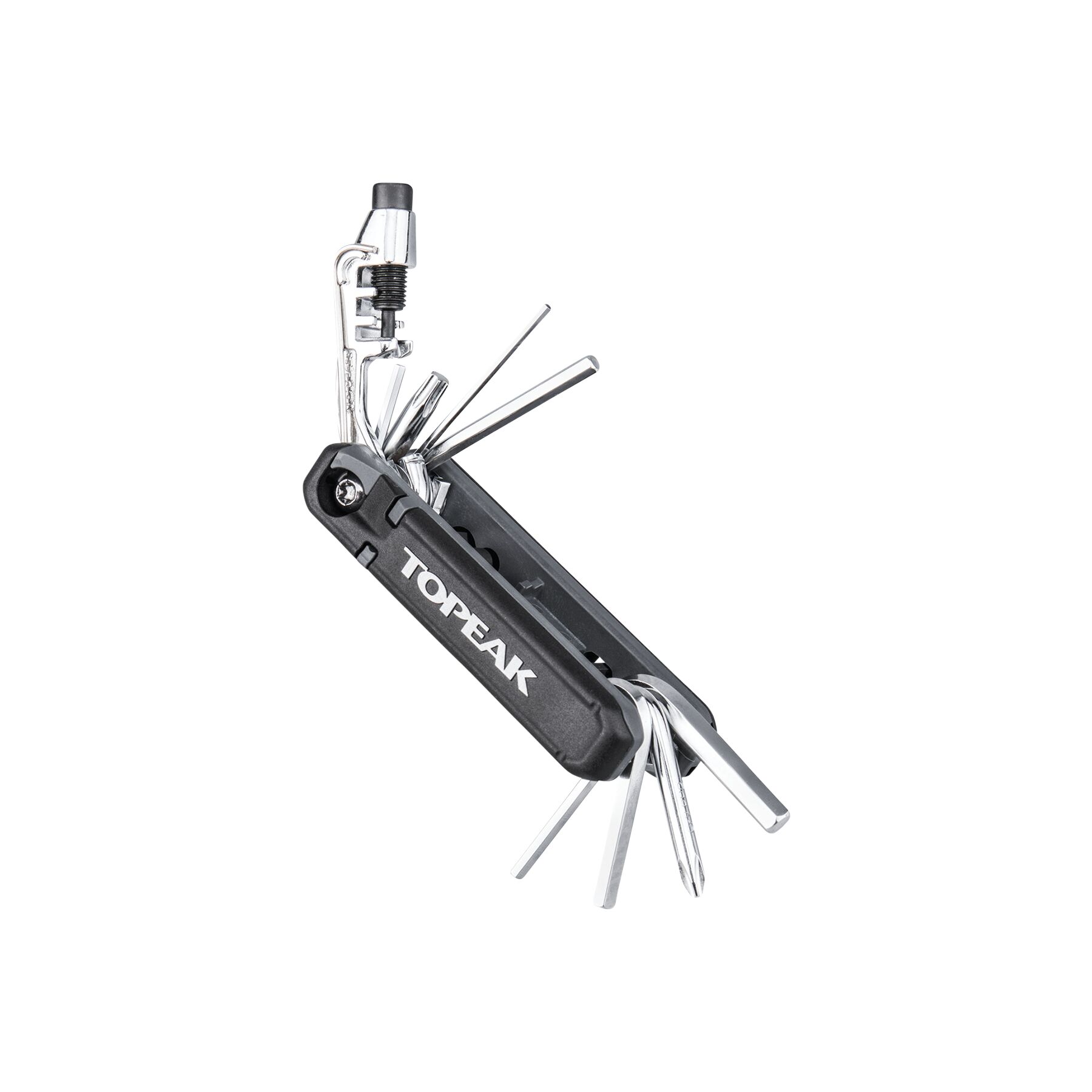
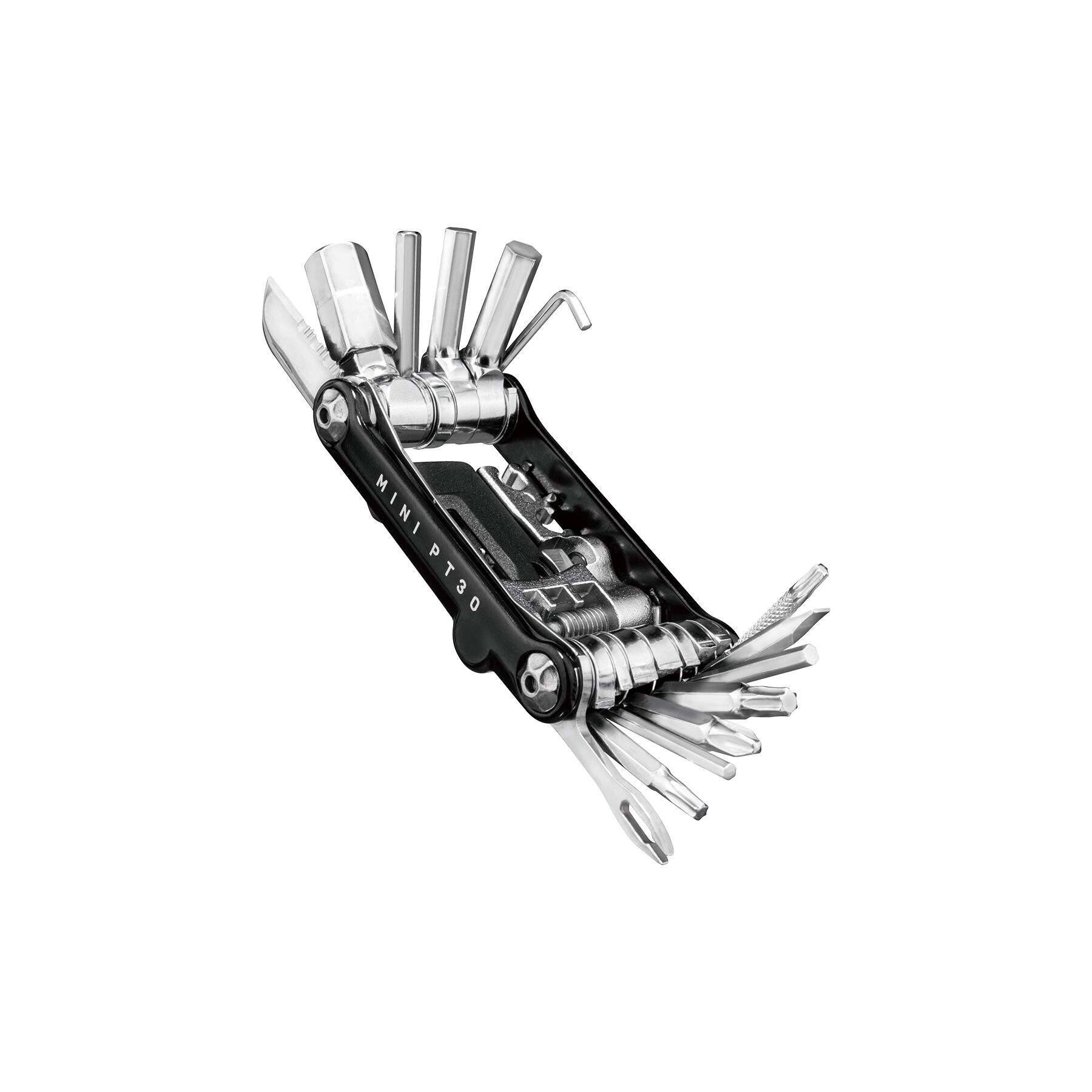
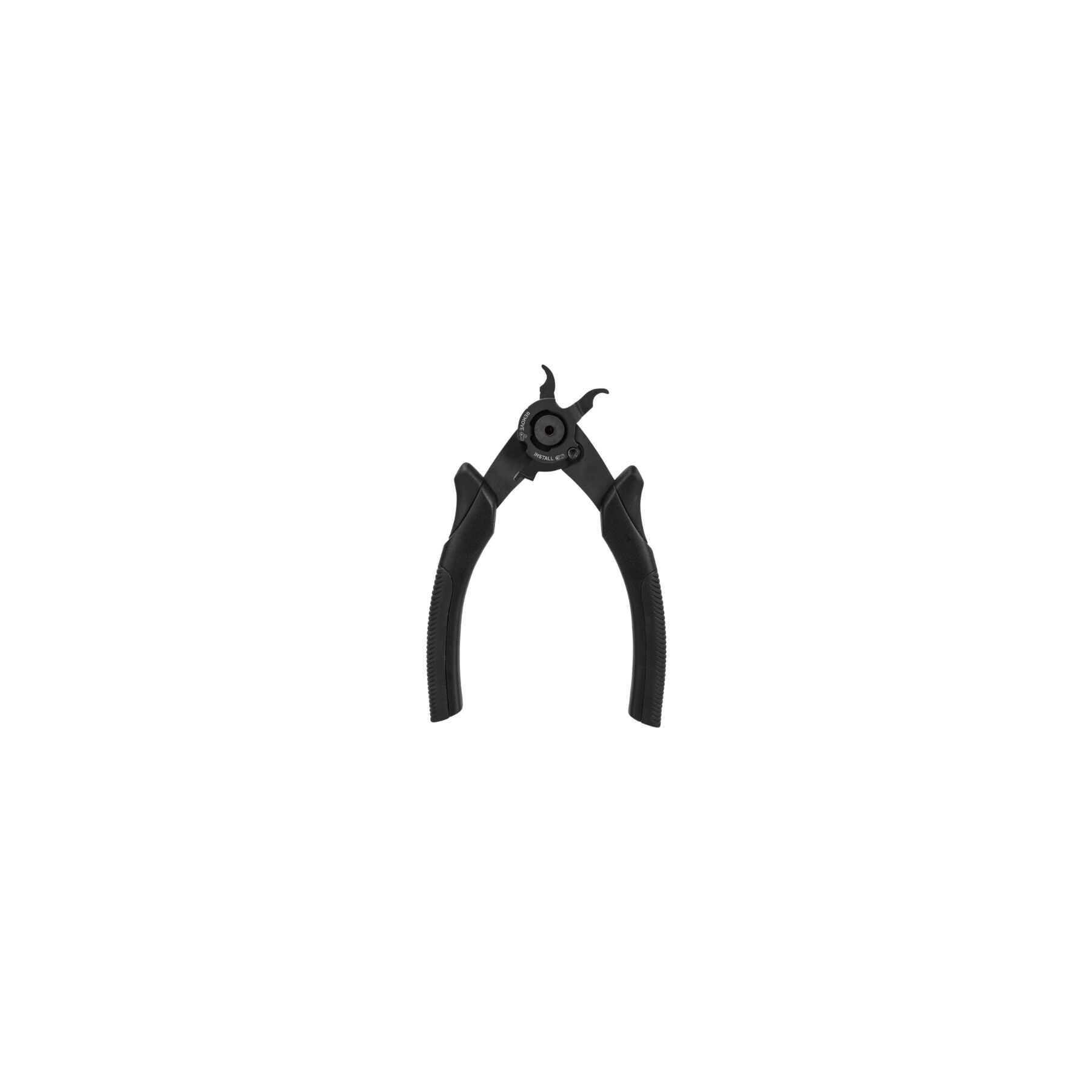
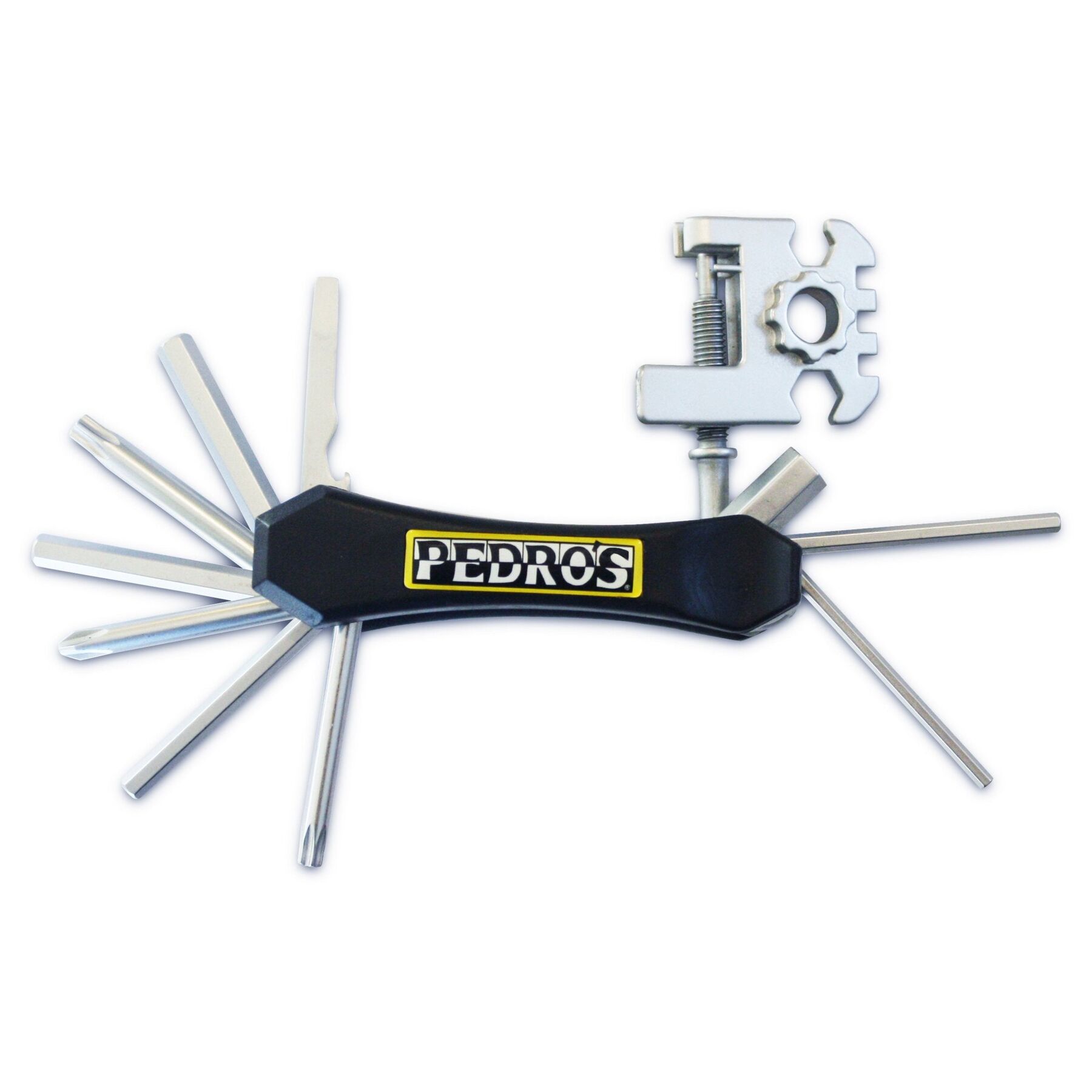
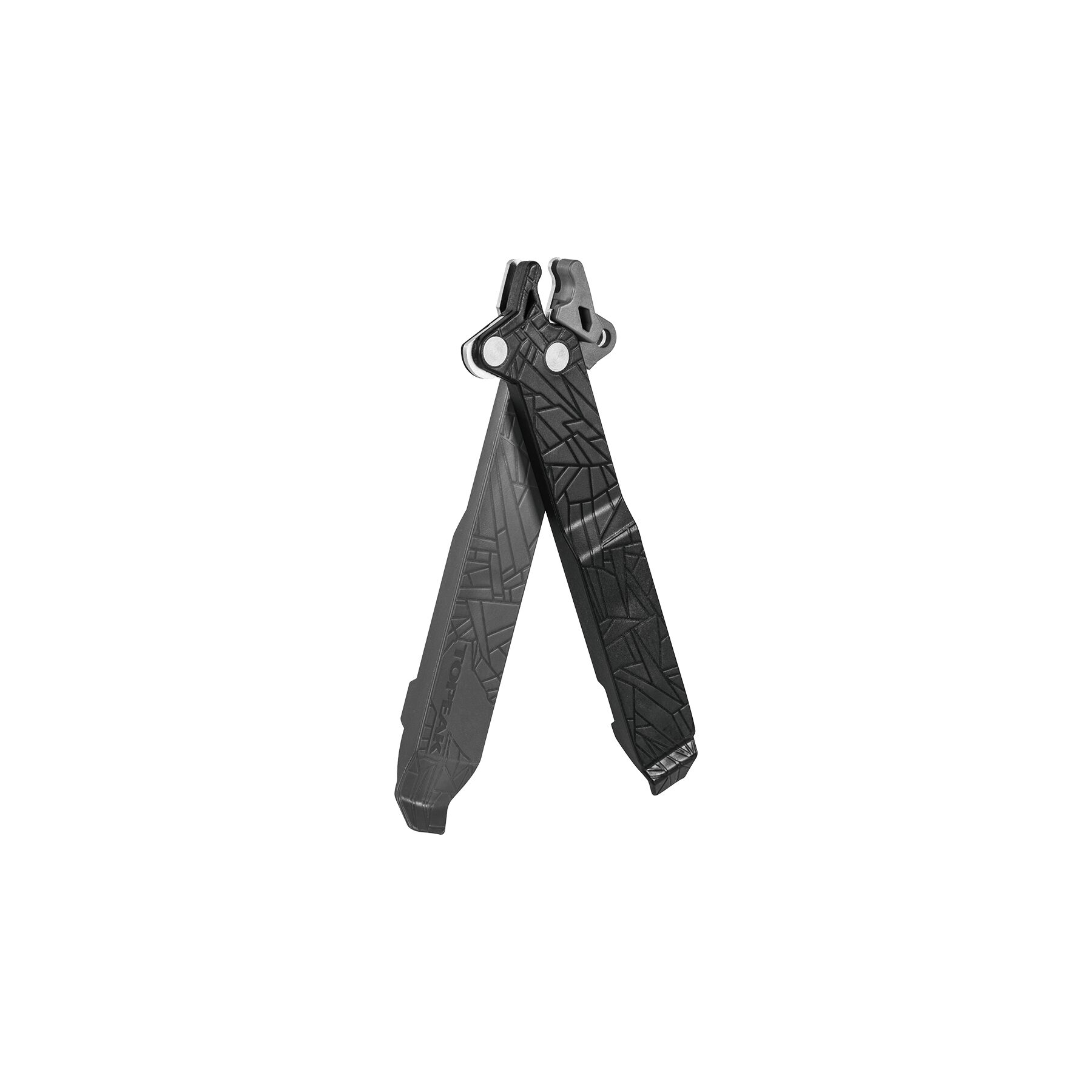
Maintaining your bike's chain is essential for optimal performance and longevity, and a reliable chain tool is a must-have for every cyclist. Our selection of chain tools for bikes is designed to make chain installation, removal, and repair quick and easy. With durable construction and user-friendly designs, these tools ensure you can tackle any chain maintenance task with confidence.
Whether you're a casual rider or a seasoned enthusiast, our chain tools offer precision and efficiency. Many feature ergonomic grips for comfortable handling and compatibility with various chain types, making them versatile additions to your toolkit. Keep your bike running smoothly and extend the life of your chain with our high-quality chain tools.