
Ceramic Brake Pads
On this page...
- What are ceramic brake pads and how do they differ from other types?
- What are the advantages of using ceramic brake pads?
- Are ceramic brake pads suitable for all types of motorcycles?
- Can ceramic brake pads handle high-performance riding?
- How do ceramic brake pads perform in wet weather?
- What should you consider when choosing ceramic brake pads?
- Do ceramic brake pads require any special installation procedures?
- How long do ceramic brake pads typically last?
- Are ceramic brake pads more expensive than other types?
Frequently Asked Questions For Ceramic Brake Pads
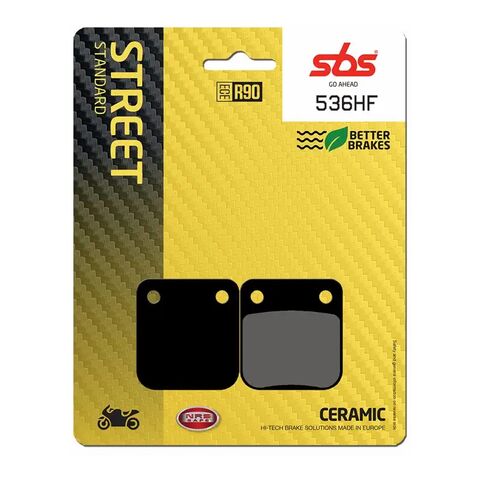
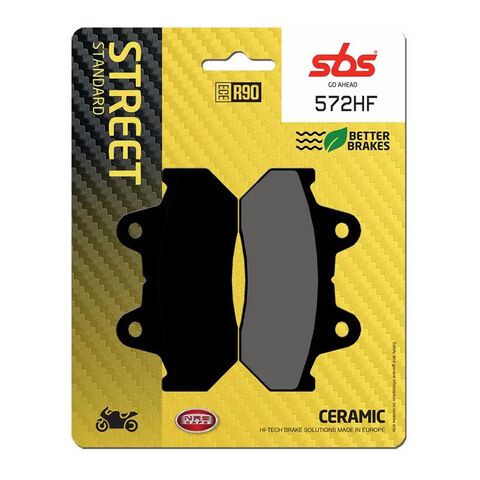
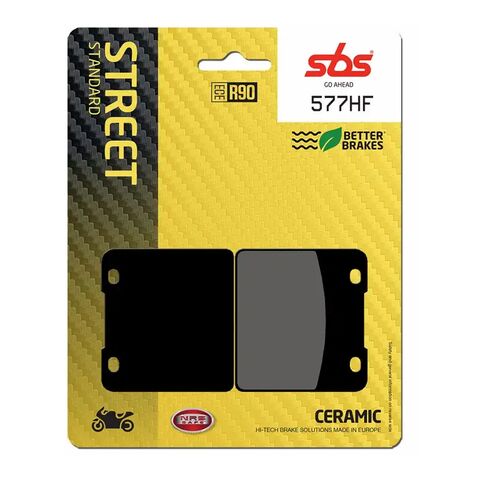
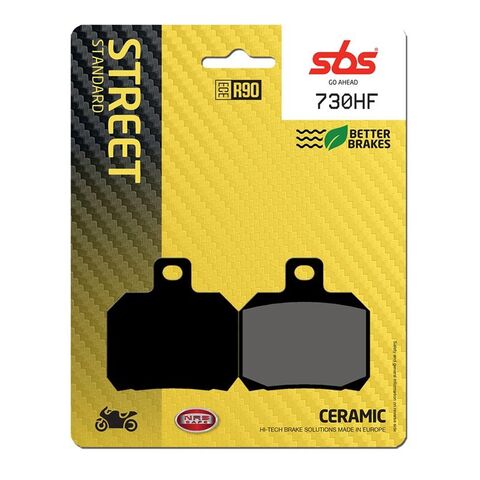
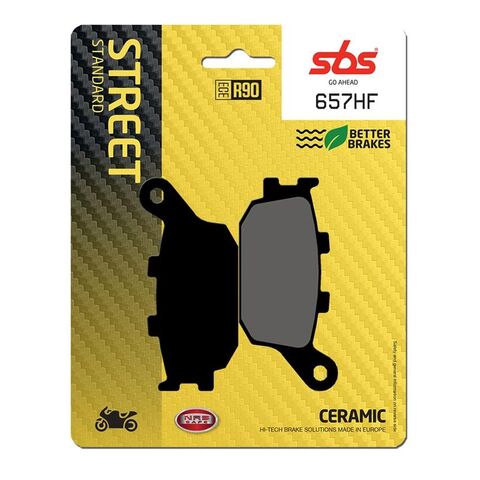
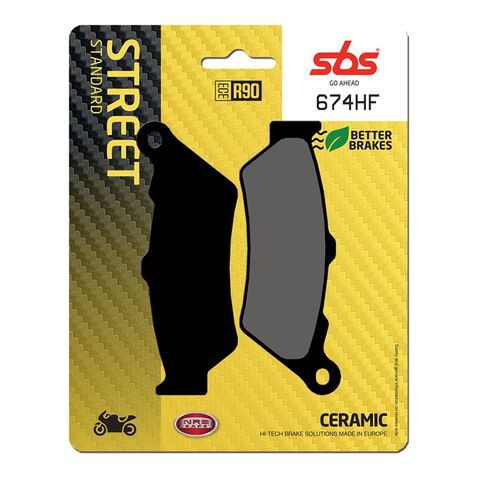
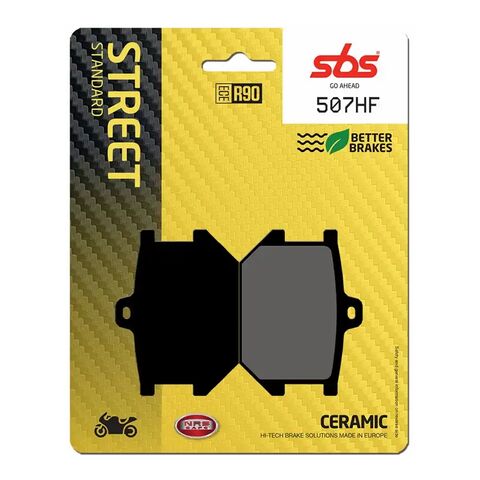
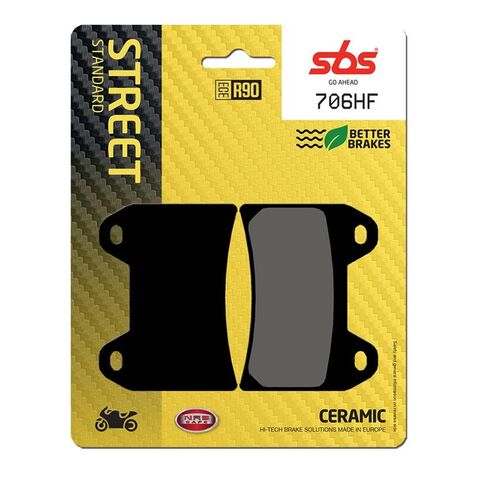
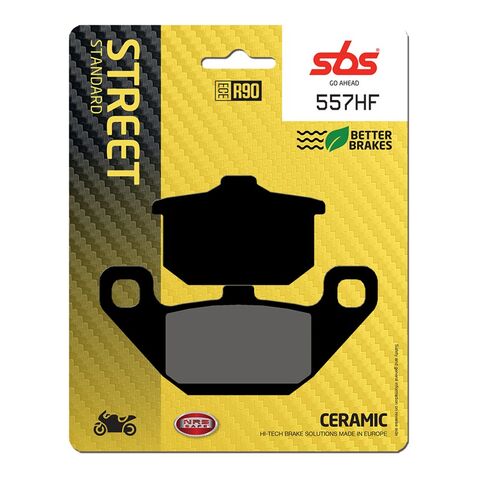
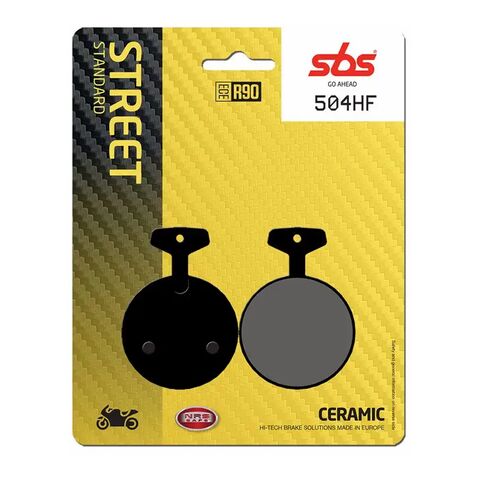
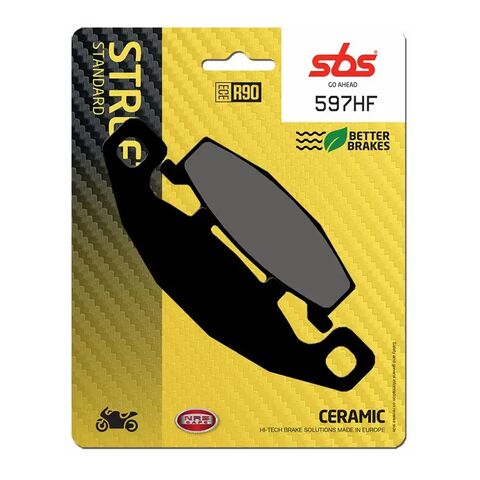
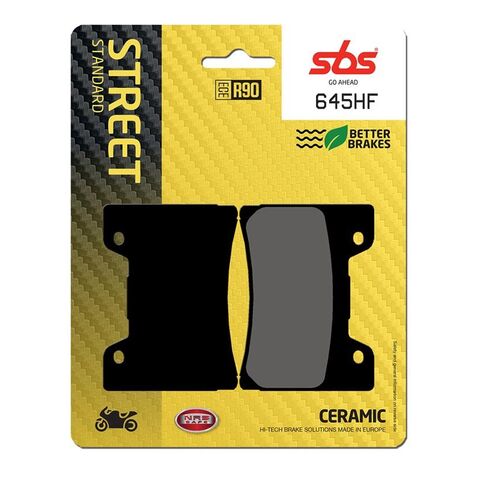
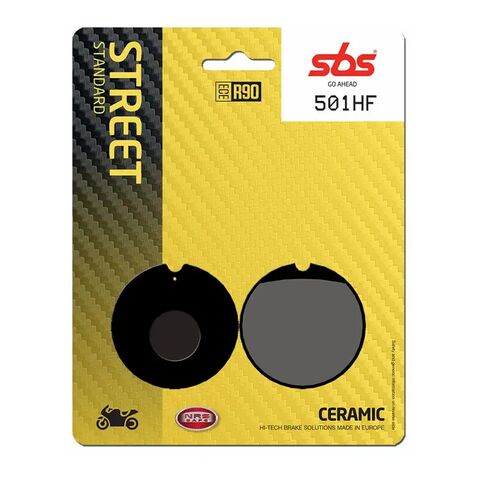
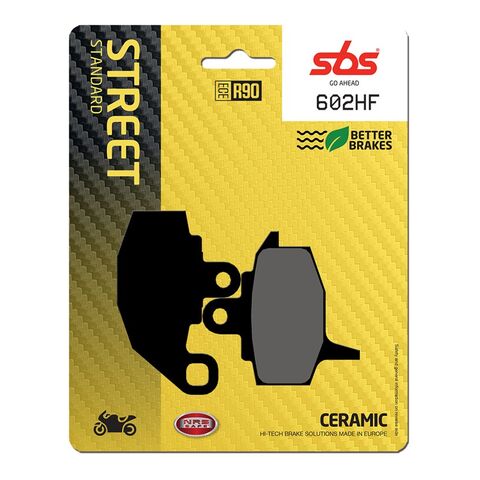
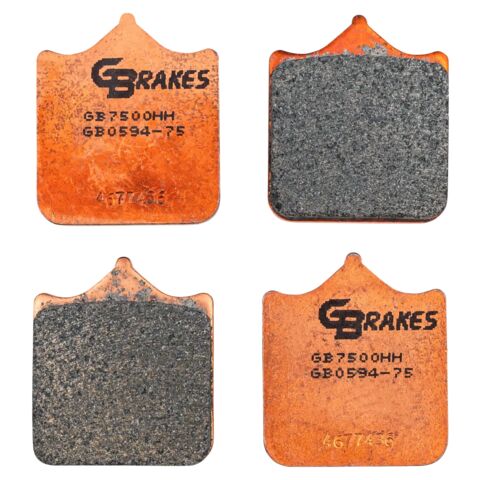
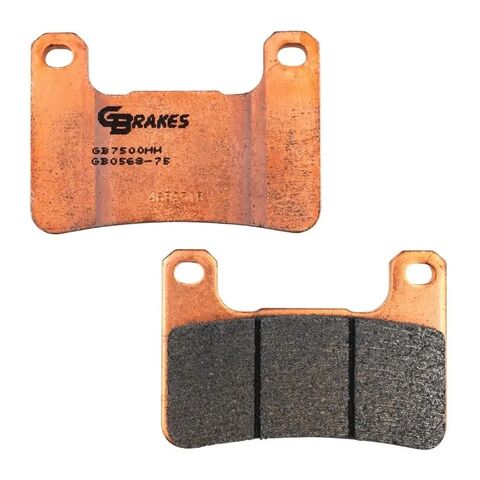
Ceramic brake pads are made from a composite material that includes ceramic fibers and other materials, providing a quieter and cleaner braking experience compared to metallic pads. They typically produce less dust and are less abrasive on rotors, which can lead to longer lifespan for both the pads and the rotors. Additionally, ceramic pads tend to perform well in a variety of temperatures, making them suitable for everyday riding.
Ceramic brake pads offer several advantages, including reduced noise during braking and lower dust production, which helps keep wheels cleaner. They also provide consistent performance across a range of temperatures, making them ideal for various riding conditions. Furthermore, their durability can lead to longer intervals between replacements, which can be beneficial for riders looking for low-maintenance options.
Ceramic brake pads can be suitable for a wide range of motorcycles, including sport bikes, cruisers, and touring bikes. However, the specific riding style and conditions should be considered when choosing brake pads. For example, riders who frequently engage in aggressive riding or track days may prefer pads designed for higher performance, while those who commute or ride casually may find ceramic pads to be a great fit.
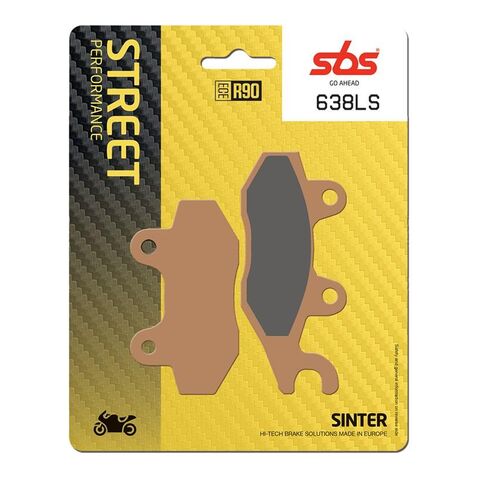
While ceramic brake pads are designed for consistent performance and durability, their suitability for high-performance riding can vary. They generally perform well in everyday conditions but may not provide the same level of bite or heat resistance as sintered metal pads during extreme conditions. Riders engaging in aggressive or track riding should evaluate their specific needs and consider the type of brake pads that best match their riding style.
Ceramic brake pads typically offer reliable performance in wet weather, as they are less prone to absorbing moisture compared to organic pads. However, like all brake pads, they may experience a slight reduction in performance when wet. It's essential for riders to ensure their braking system is well-maintained and to allow for extra stopping distance in wet conditions, regardless of the pad material.
When selecting ceramic brake pads, consider factors such as your riding style, the type of motorcycle you have, and the typical riding conditions you encounter. Look for pads that are designed for your specific motorcycle model to ensure proper fit and performance. Additionally, check for compatibility with your braking system and any certifications that may indicate quality and safety standards.
Ceramic brake pads generally follow the same installation procedures as other types of brake pads. It's important to ensure that the brake calipers and rotors are clean and free of debris before installation. Additionally, following the manufacturer's guidelines for bedding in new pads can help optimize performance and longevity. If you're unsure, consulting a professional mechanic can ensure proper installation.
The lifespan of ceramic brake pads can vary widely based on factors such as riding style, motorcycle type, and environmental conditions. On average, they may last longer than organic pads due to their durability and lower wear rates. Regular inspection and maintenance of your braking system can help extend the life of the pads and ensure optimal performance.
Ceramic brake pads can be more expensive than organic pads but are often competitively priced compared to high-performance sintered pads. The initial investment may be offset by their longer lifespan and reduced maintenance needs. Riders should consider their specific needs and budget when evaluating the cost of brake pads, as well as the potential long-term benefits of choosing ceramic options.
Similar Categories
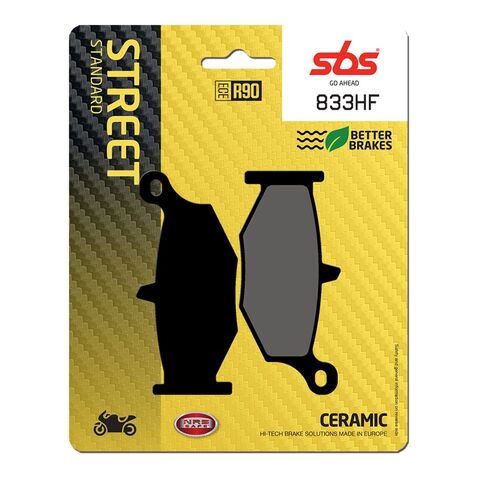
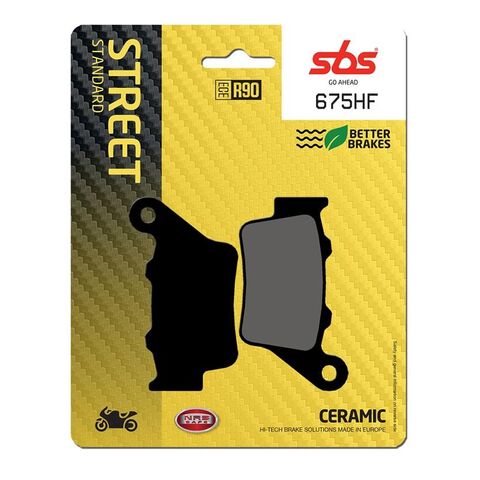
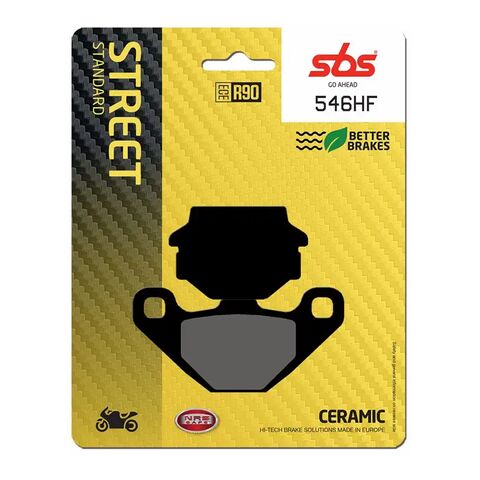
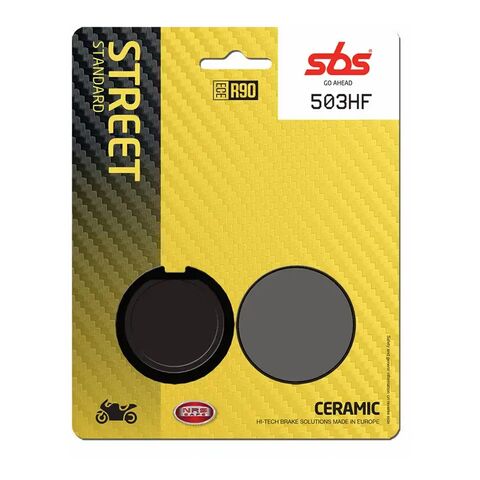
Ceramic Brake Pads
Upgrade your vehicle's braking performance with our premium selection of ceramic brake pads. Designed for superior stopping power, these pads offer excellent heat dissipation and reduced brake fade, ensuring consistent performance under various driving conditions. Their low dust formulation keeps your wheels cleaner while providing a quieter braking experience, making them ideal for daily drivers and performance enthusiasts alike.
Our ceramic brake pads are engineered to deliver exceptional durability and longevity, minimizing wear on both the pads and rotors. With a focus on safety and reliability, these pads provide responsive braking and enhanced control, giving you confidence on the road. Choose our ceramic brake pads for a reliable upgrade that combines performance, comfort, and longevity.


