
509 Boots
On this page...
- What are the key features to look for in snow boots?
- Are snow boots suitable for various winter activities?
- How do I determine the right fit for snow boots?
- Can snow boots be used in wet conditions?
- What materials are commonly used in snow boots?
- What insulation types are best for snow boots?
- How do snow boots perform in extreme cold?
- What should I consider for snow boot maintenance?
- Are there specific snow boots for children?
Frequently Asked Questions For 509 Boots
When choosing snow boots, consider insulation, waterproofing, and traction. Insulation helps keep your feet warm in cold conditions, while waterproof materials prevent moisture from entering. Good traction is essential for navigating slippery surfaces, ensuring stability and safety during winter activities.
Yes, snow boots can be designed for a variety of winter activities, including snowmobiling, hiking, and casual wear. It's important to select boots that match your specific activity, as some may offer enhanced support or flexibility depending on the intended use.
To find the right fit for snow boots, consider both length and width, ensuring there is enough room for thick socks. It's also helpful to try them on with the type of socks you plan to wear. A snug fit is important for warmth and support, but they should not be too tight to cause discomfort.
Many snow boots are designed to handle wet conditions due to their waterproof materials. However, it's essential to check the specifications of the boots to ensure they are suitable for wet weather. Proper waterproofing will help keep your feet dry during slushy or rainy winter days.
Snow boots are typically made from materials like leather, synthetic fabrics, and rubber. Leather offers durability and water resistance, while synthetic materials can provide lightweight comfort and insulation. Rubber soles are often used for their excellent traction on snow and ice.
Common insulation types for snow boots include synthetic insulation and down. Synthetic insulation is often preferred for wet conditions as it retains warmth even when damp, while down insulation is lightweight and compressible but may not perform as well in moisture. Consider the climate and conditions you'll be in when choosing insulation.
Snow boots designed for extreme cold typically feature high levels of insulation and waterproofing to keep feet warm and dry. Look for boots with temperature ratings that indicate their suitability for very low temperatures. Additionally, a good fit and moisture-wicking liners can enhance comfort in frigid conditions.
Maintaining snow boots involves regular cleaning and proper storage. It's important to remove dirt and salt after use to prevent material degradation. Additionally, applying a waterproofing treatment can help maintain their protective qualities, especially after prolonged exposure to wet conditions.
Yes, there are snow boots specifically designed for children, which often feature lighter materials and easier fastening systems. When selecting boots for kids, ensure they provide adequate insulation and support, as well as a good fit to keep their feet warm and comfortable during winter activities.
Similar Categories
509 Boots
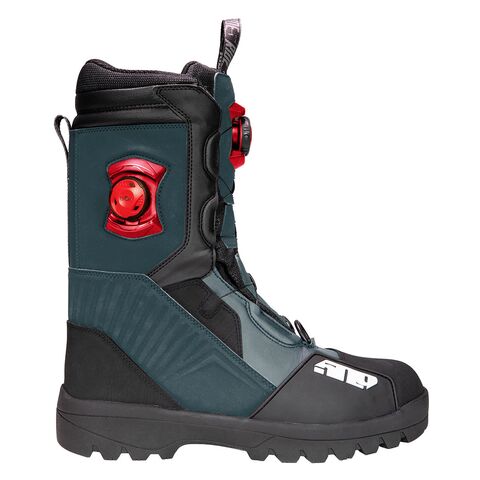
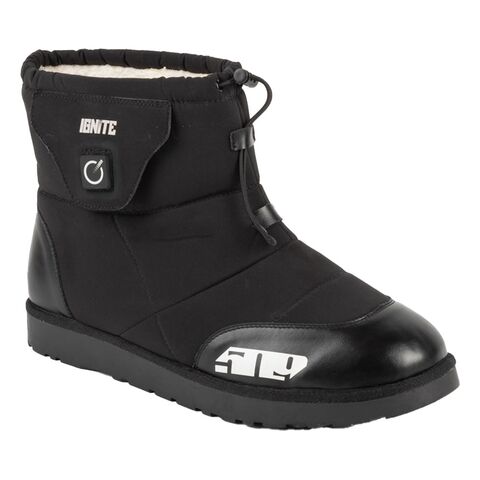
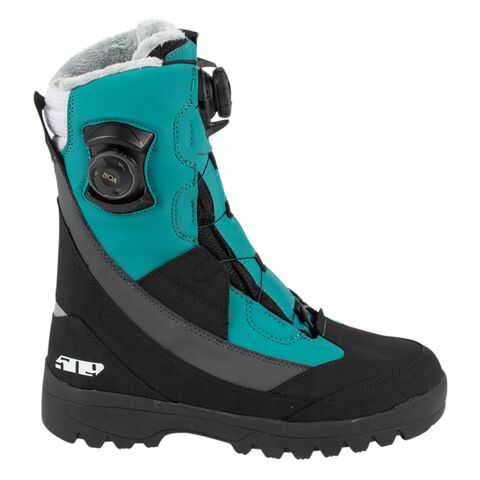
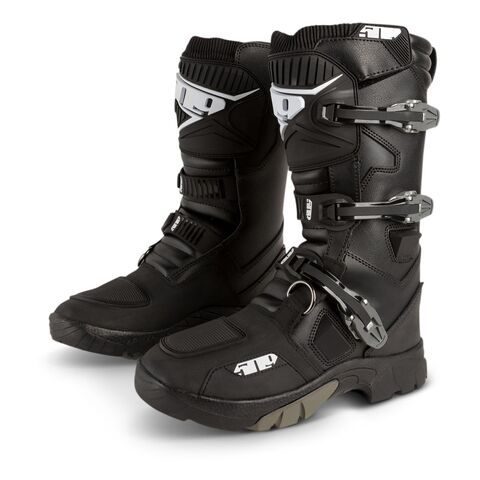
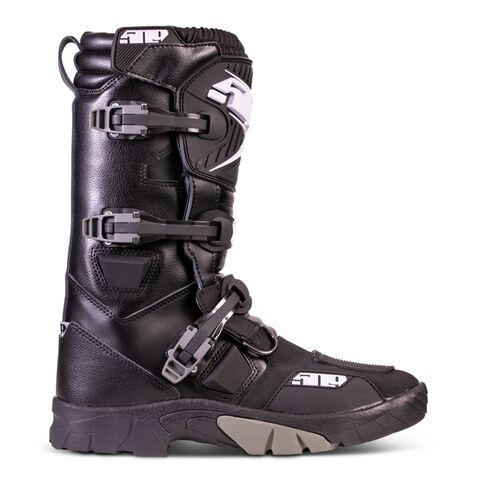
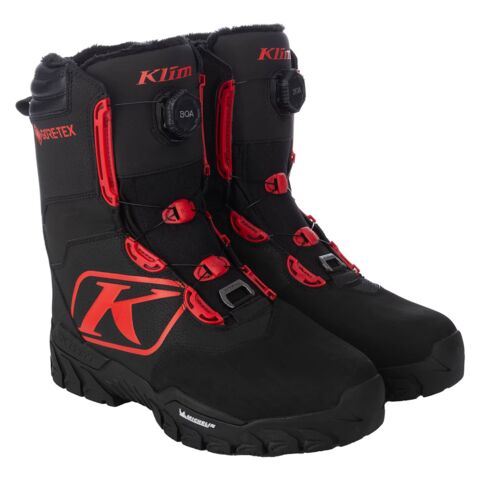
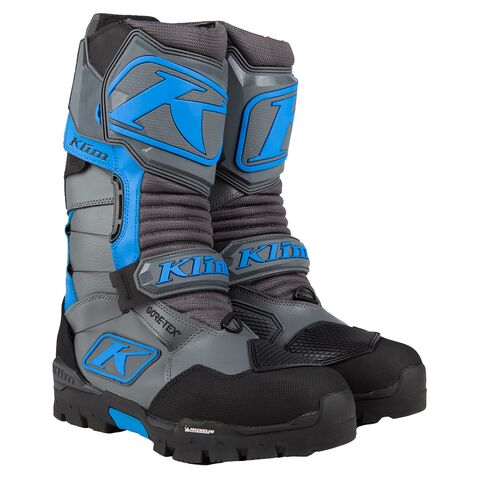
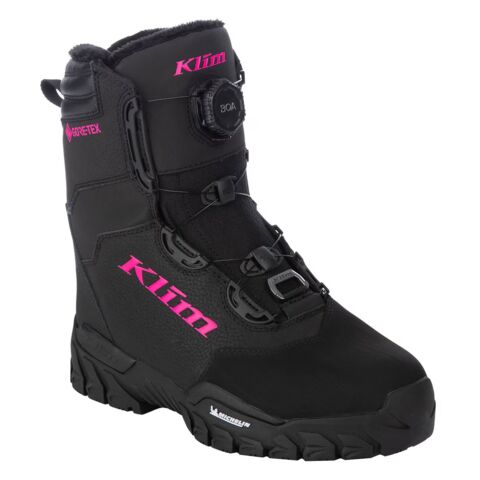
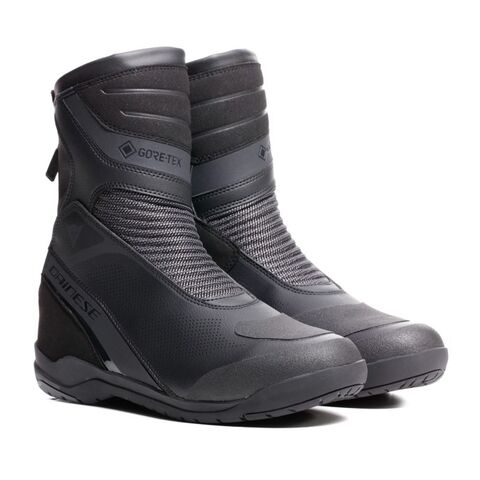
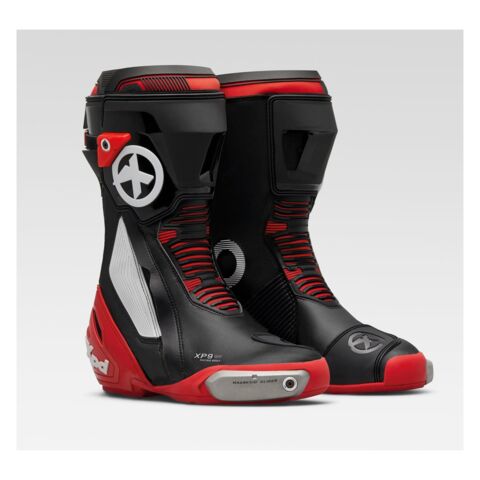
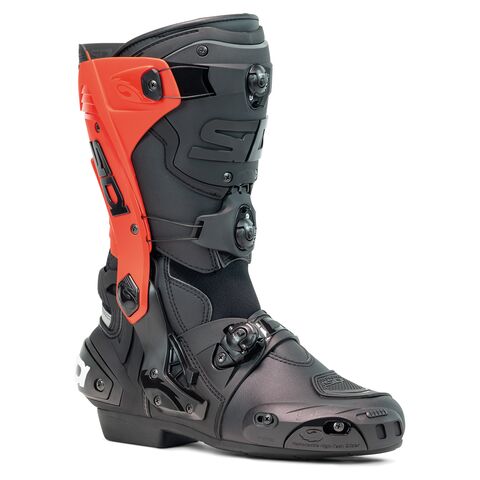
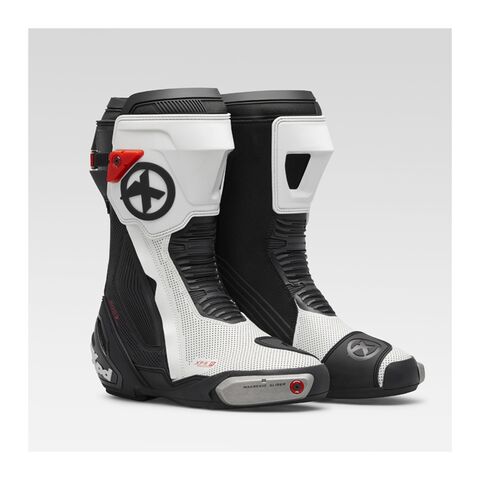
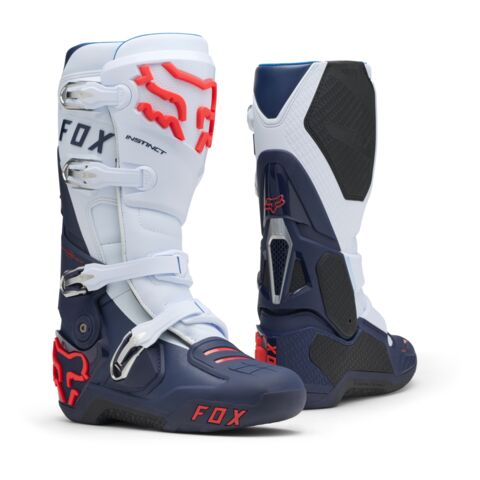
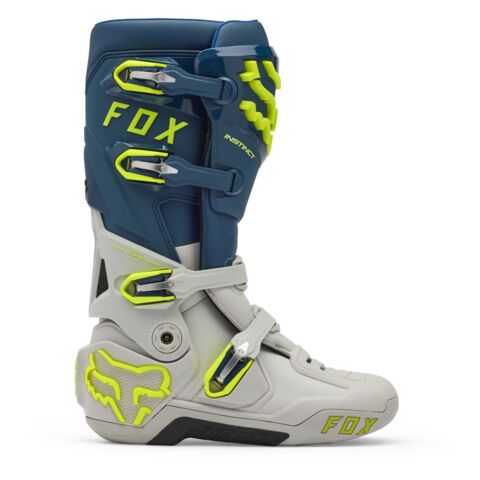
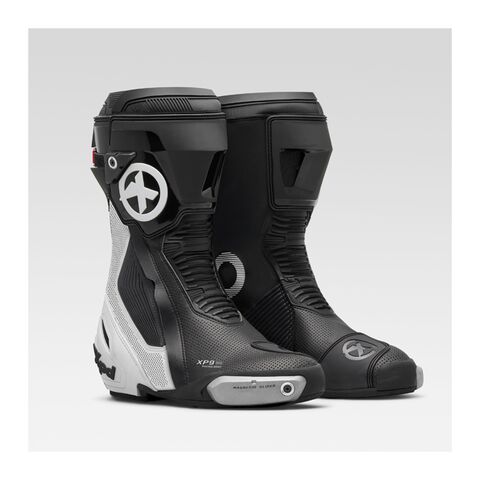
Discover the ultimate in performance and comfort with our selection of 509 boots, designed for the adventurous rider. These boots feature durable materials that provide excellent protection against the elements while ensuring breathability and comfort during long rides. With a focus on functionality, they offer superior grip and traction, making them ideal for various terrains and conditions.
Engineered for both style and practicality, our 509 boots come with advanced insulation and waterproofing technologies to keep your feet warm and dry. The ergonomic design ensures a snug fit, allowing for easy movement and control while riding. Elevate your riding experience with boots that combine safety, comfort, and style, perfect for any motorcycle enthusiast.


